
I’ve wanted to start this blog for ages, somewhere I could share my travel impressions with you, because so many of you keep asking me “What’s it like there?”, “Which hotel did you stay in?”, “Can you recommend a restaurant with a nice view?” and a whole load of other questions. At last I’ve found a little time to devote to this project – or rather, to this part of my life: travelling. I’m so happy that we’ll get to share the excitement of my new destinations together.
Everyone who knows me knows how much I love to travel and how much I hate staying put in one place – hence the name of the site, Balkan Nomad. Although my passport is Bulgarian, I’d definitely call myself a citizen of the world. I’m grateful to have had the chance to travel so much, to find myself in all sorts of situations and to discover so many new and different places, cultures and people, and that’s exactly why I believe – and can vouch for it – that you come back from every trip changed, with a richer mind. Every journey, whether it’s to a neighbouring country or another continent, changes you, because travel makes you think, reflect, interpret and ask yourself questions you never would if you’d stayed at home.
I’m delighted that my first post of the year is about a destination that’s become a real favourite and that I’ll definitely be going back to: Portugal – the westernmost country on mainland Europe, which still feels more exotic and unfamiliar to Bulgarians. Maybe that’s why I liked it so much and why it drew me in, because I’ve never been a fan of clichéd places that everyone goes to.
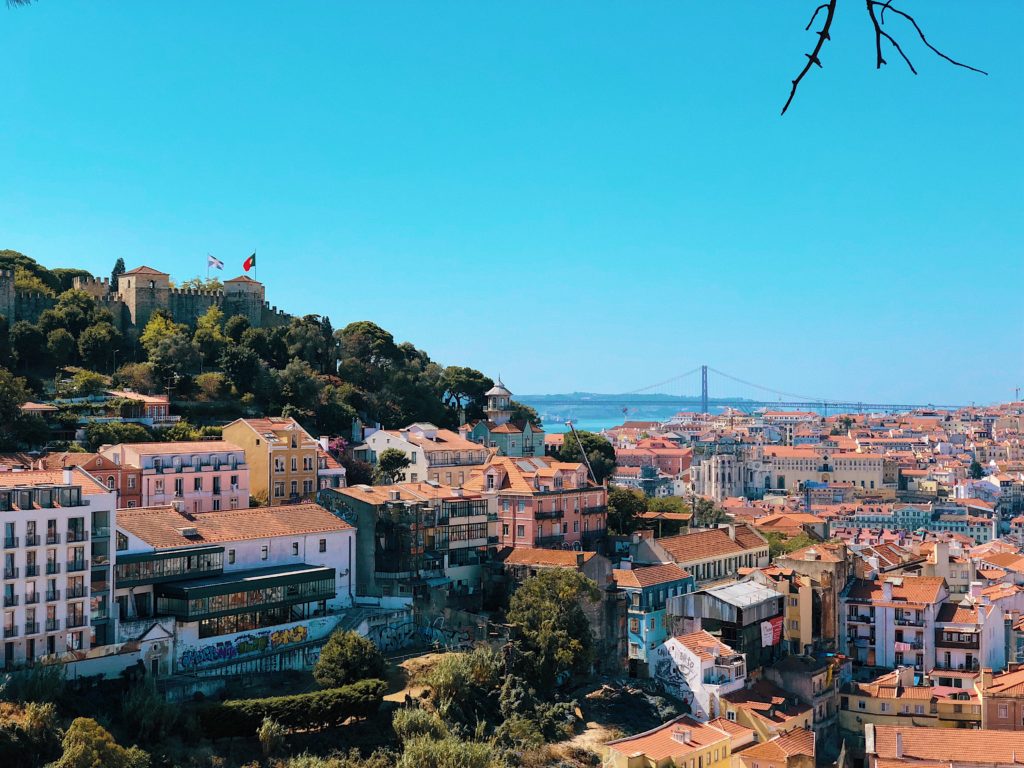
The Portuguese capital is easy to reach, with direct flights from Sofia on both regular and low-cost airlines. If the fares seem too steep, you could fly to Madrid and on to Lisbon from there. The direct flight takes almost 4 hours, but I promise the long flight is worth it.
“The city of seven hills” – that’s what Lisbon is known as, thanks to the way it’s built on terraces. To my surprise, the city turned out to be much smaller than I expected – it has half a million inhabitants, but the streets are far livelier and cleaner than in Sofia. There are tourists all year round, mostly from Europe and Brazil, and there are lots of immigrants from South America too.
It’s easy to find an affordable hotel, ideally somewhere central. For those of you who travel on a budget, you can rent an apartment through airbnb for much less, although it won’t be in the centre. Click HERE to get a discount when you book an apartment on airbnb.
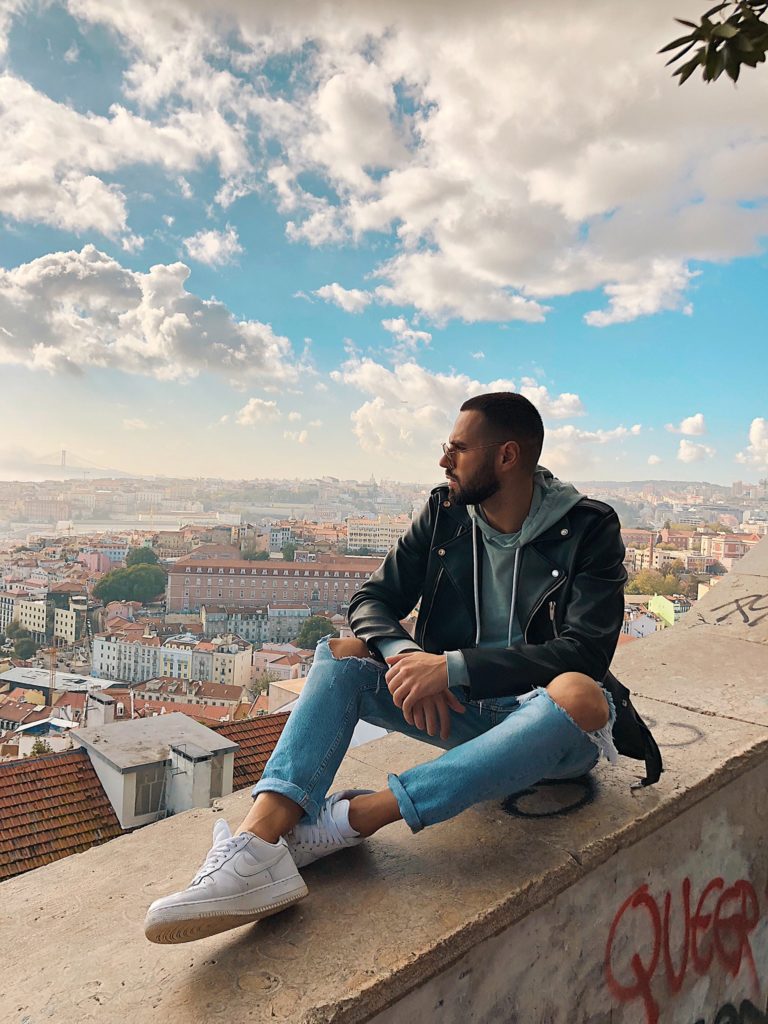
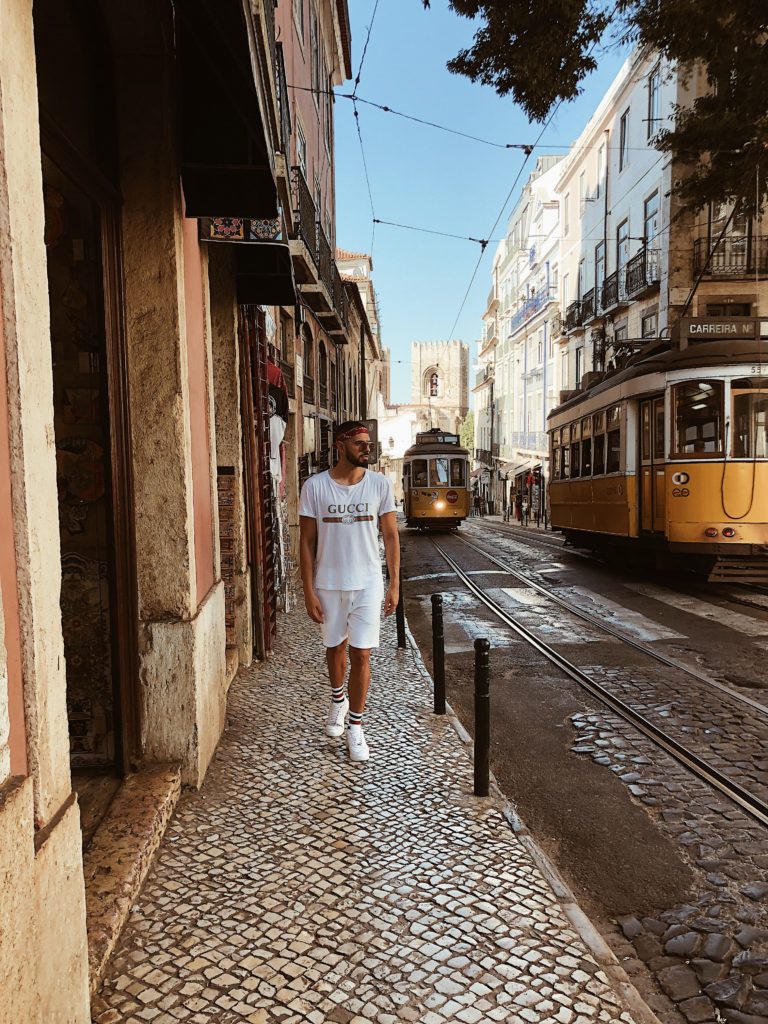
On the whole, distances in Lisbon are nothing to worry about. Everything is within walking distance. The city sits on the banks of the Tagus, which flows into the Atlantic Ocean. One of the city’s attractions is its trams, which you simply have to ride. The downside is that they’re much smaller than the ones I’ve seen in Sofia and Milan, so once 15–20 people pile in it gets uncomfortable, especially when it’s hot. Another way to get around is by taxi or Uber, which is popular in most countries.
Sadly there are no beaches in the city itself, but there are some fantastic ones about 20 km away. We were recommended two – Guincho and Costa da Caparica (one north of the city, the other south). Both are stunningly beautiful and clean. Despite the 30-degree heat, the ocean was ice-cold and you can’t really swim except at the height of summer, but you can still sunbathe and get a tan. Even though it was mid-October, I was struck by how packed the beaches were.
One of the must-dos on any trip is trying the local food, and naturally, being the dedicated foodie I am, I didn’t miss the chance to tuck in. Portuguese cuisine is very close to Spanish – everywhere serves Spain’s famous paella, gazpacho and sangria. What’s really interesting here is the fish, because it’s freshly caught from the ocean and tastes completely different from what we eat in Bulgaria. Of course, it also depends on which restaurants you choose. My advice is to avoid the places in the centre, because the food has nothing to do with traditional local cooking, and in most cases it isn’t fresh either. One day we had lunch at a restaurant on the ocean front, built on the rocks. The view was incredible, and so was the food. Of course, prices at places like that reflect it, but I’ll say it again – I prefer quality to a low price. My suggestion for you is Gordinni, which is outside the city but close to the beaches.
I was surprised that, despite the city’s small size, the nightlife is really lively. The place is full of young people, and after 8 or 9 in the evening the city is every bit as busy as during the day. There’s a whole neighbourhood of nothing but clubs and bars, and I noticed everyone was out in the street with their drinks. It turns out that’s because the bars are small and narrow, so half the crowd stands outside chatting and drinking. It struck me as odd at first, but it means you make friends quickly and easily. Also bear in mind that Portugal is every bit a match for Bulgaria – most clubs stay open until 7 or even 8 in the morning.
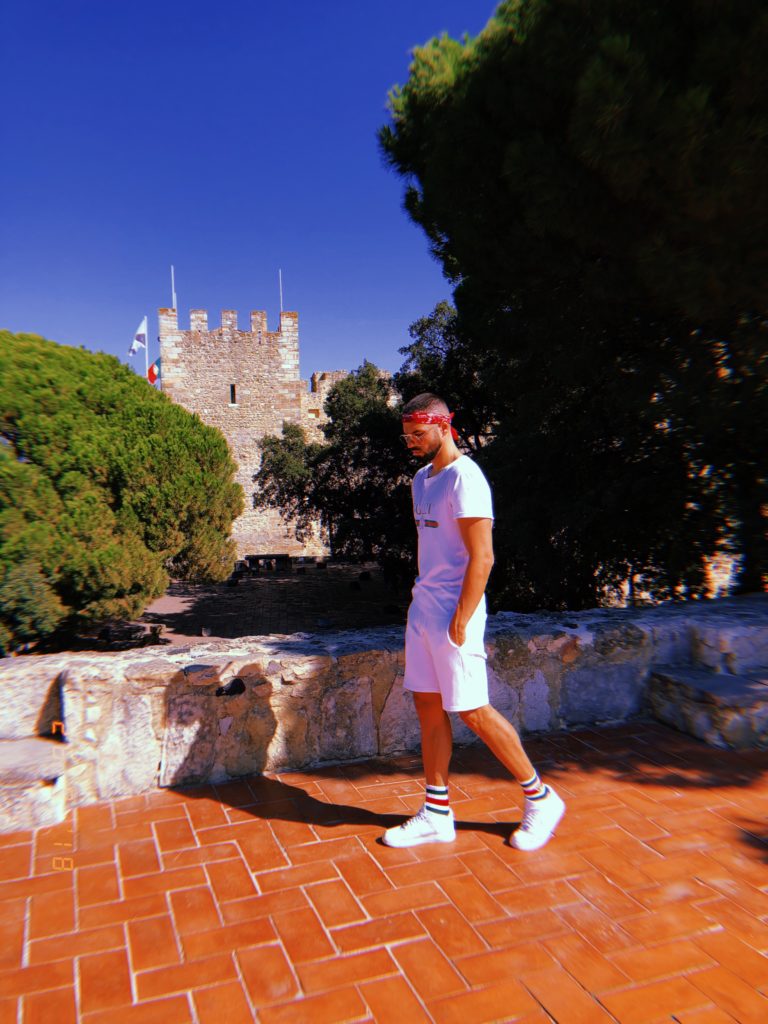
One of Lisbon’s top sights is São Jorge Castle (St George’s Castle), which stands on one of the hills the old town is built on. From there you get a unique view of the city centre, the newer part of town, the river and one of the bridges, which is a symbol of the city and looks a lot like the one in San Francisco. Perfect for selfies.
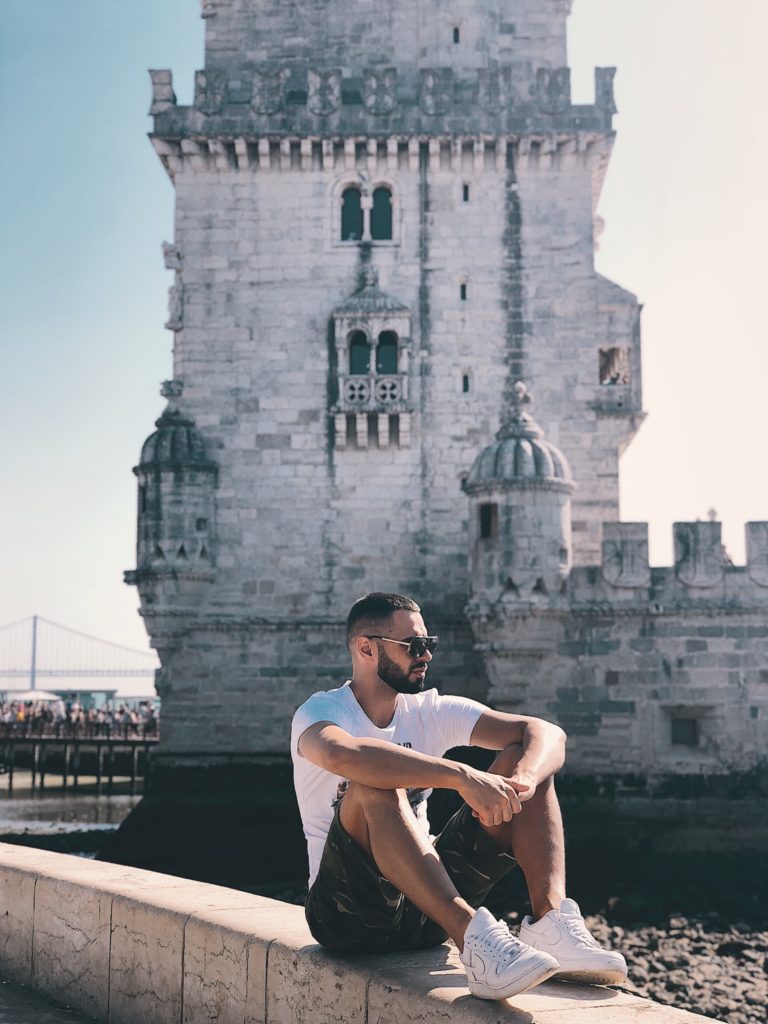
And don’t forget to set aside a whole day for the Belém district, where many of the city’s sights and symbols are clustered together: Belém Tower, Ajuda Palace, the botanical garden and the Jerónimos Monastery, home to the tomb of Vasco da Gama, the navigator who discovered the sea route to India. They’re all well worth your attention, as they’re very different from the architecture in the centre.
You absolutely must visit the town of Sintra, about 30 km from Lisbon. You can get there in 30 minutes by car or 30–40 minutes by train. There you can visit one of Portugal’s symbols – Pena Palace. I’m not usually one for traipsing round museums and palaces, as I’ve been to some of the biggest in Europe, but I promise this one is worth it. What makes it special is that it’s built on top of a rocky peak, with views of the ocean and Lisbon. It was a monastery in the Middle Ages but was converted into a summer residence, and it’s gorgeous thanks to all the different colours it’s painted in. Another perfect spot for photos.
Another place I recommend, although I didn’t manage to get there myself, is the statue of Christ (Almada). It stands on the opposite bank of the river, looking straight at Lisbon. It’s a copy of the world-famous statue in Rio de Janeiro, but taller. When we got there it had just closed, so it’s top of my list for my next visit.
Lisbon is one of those places I’d happily go back to, and I’d even live there. I love the climate, the closeness to the ocean and the mix of cultures in the city.
Author
Vilislav Alkantara