
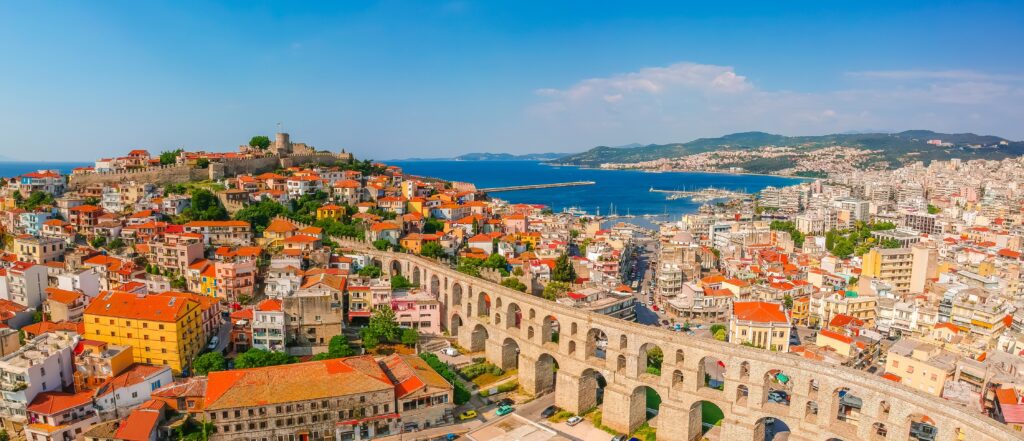
Kavala is one of those places that make you fall in love at first sight – nestled between Mount Symvolo and the Aegean Sea, with houses perched on the hillsides like colourful swallows, gazing out at the endless blue sea. The city has that genuine Greek atmosphere in which ancient history, an oriental spirit and seaside romance intertwine. Wandering through the old town – Panagia – you feel how every cobbled lane, every stone wall and every skylight whispers stories of bygone eras, of pirates, merchants and travellers from near and far.
Kavala often stays in the shadow of more popular destinations such as Thessaloniki, Athens and the Greek islands, but that is actually part of its charm – it doesn’t impose itself, it gently invites you to discover it. And when you do, it will reward you with countless emotions: sunrises over the harbour, the aroma of fresh octopus from the seaside tavernas, views of the island of Thassos from the fortress walls and evening strolls along the sea to the sound of the bouzouki. It is a place where time seems to flow more slowly and life feels more intense.
In recent years Kavala has gradually established itself as a favourite destination among Bulgarians looking for a weekend escape with a light sea breeze. Just a few hours’ drive from the border, the city offers not only beautiful beaches and delicious food, but also a rich cultural heritage – from Roman aqueducts and Ottoman baths to museums dedicated to tobacco and seafaring.
In this article I have gathered the top 10 most interesting sights in Kavala, along with a few tips that will make your stay there even more exciting and interesting.
How to get there?
The easiest way to get to Kavala from Bulgaria is by car. From Sofia the journey is about 320–350 km (depending on the route you choose), and if you are coming from Plovdiv or another city in the eastern part of the country, you can again rely on convenient road links via the motorways in Bulgaria and Greece. Since we are now part of the Schengen Area, you can forget about the queues at the border crossings. It is important to check the toll charges in Greece.
If you don’t have a car, you can also take the bus. There are regular bus services from Sofia and other major Bulgarian cities to Kavala, and the journey usually takes around 5–6 hours. Another option is to visit the city on an organised tour.
When to visit Kavala?
Kavala is a popular destination all year round, but the most popular months to visit are from May to September, when the weather is warm and sunny. Spring (April–May) and autumn (September–October) offer milder temperatures, fewer tourists and more affordable accommodation prices.
If you want to feel the festive atmosphere, in the summer months the city comes alive with various festivals, concerts and cultural events. In winter Kavala also has its charm – a calmer and typically “local” atmosphere, which can be an excellent opportunity for those in love with this seaside city.
Where to stay?
In Kavala you will find a wide choice of accommodation – from luxury hotels with sea views to cosy guesthouses in the old Panagia quarter. If you prefer modern comforts, look for hotels along the seafront boulevard or near the centre, where you will be close to the restaurants and shops.
For those who want a more authentic experience, the Panagia quarter, with its cobbled lanes and traditional architecture, offers boutique hotels and guesthouses. Here you will immerse yourself in the unique spirit of the old town while being within walking distance of most of the sights.
Where to park?
Parking in Kavala can be a challenge, especially during the busy tourist season. Spaces in the central areas are limited and you often have to search for a long time. For convenience, you can use the underground and open-air car parks in the city – some of the most popular ones are close to the seafront.
If you are staying at a hotel with parking, be sure to book a space in advance. In the old part of town (Panagia) the lanes are narrow, and it is best to leave the car in the wider areas around the harbour and explore the sights on foot.
Which local dishes to try?
Greek cuisine offers a wide variety of culinary temptations and Kavala is no exception. Don’t miss the chance to try the fresh seafood – grilled fish, mussels with rice or classic calamari. The local tavernas often have a daily menu based on the morning’s catch, so you can enjoy an authentic taste.
Other traditional dishes include Greek moussaka, stuffed tomatoes and peppers (γεμιστά), spanakopita (spinach pie) and the irresistible Greek gyros. For dessert, try baklava or kataifi, and if you want something lighter – yoghurt with honey and nuts.
What to see in Kavala?
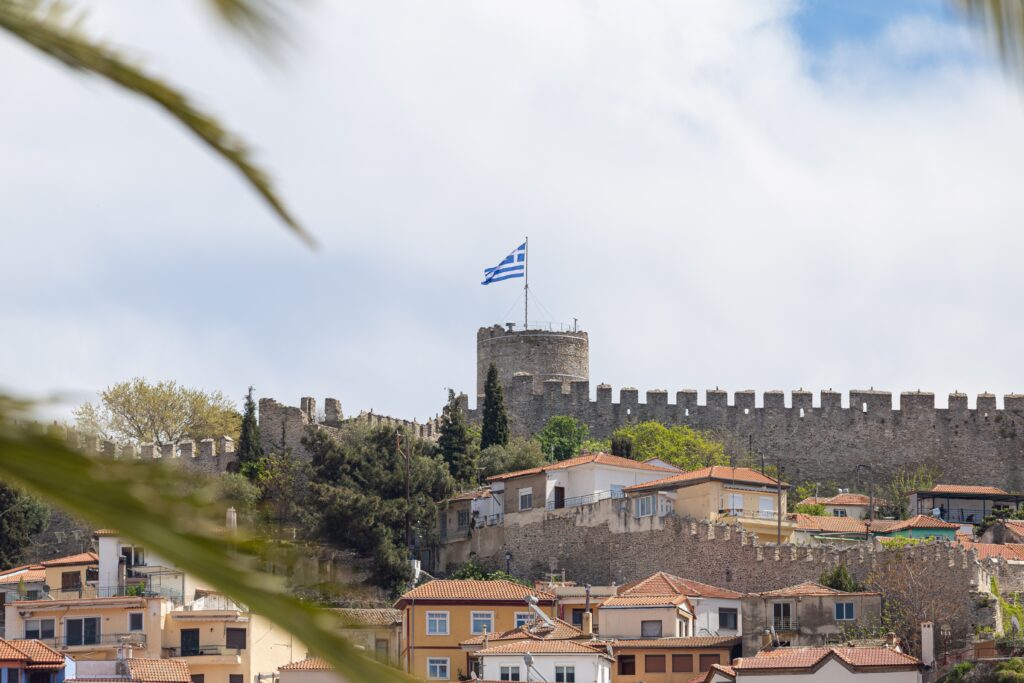
Kavala Fortress (Kastro Kavalas)
The first stone walls of the fortress date back to the Byzantine period, but over the centuries it was rebuilt and extended many times. Today the fortress towers above the city and offers an impressive view of the sea and the surrounding hills. A walk along the fortress walls will immerse you in the history of this place, and the little lanes and courtyards inside will reveal the authentic atmosphere of old Kavala.
Inside the fortress you will also find a few art galleries, as well as the chance to buy souvenirs and handmade goods from local craftspeople. During the tourist season, open-air concerts and cultural events are often held here, so you may well come across an interesting performance.
Entrance fee: Around 4–5 euros for adults; discounts for children and students.
Useful tip: Visit the fortress at sunset, when the light falls softly over the city and you will be able to take fantastic photos.
The Old Town of Panagia (Panagia)
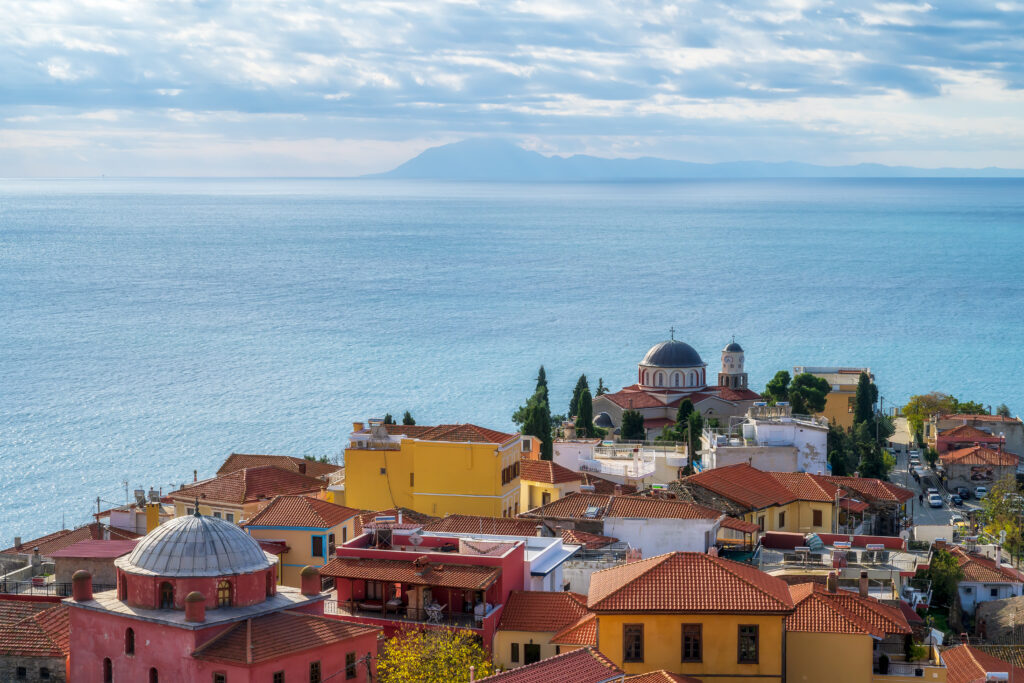
Panagia is Kavala’s historic quarter, set on a peninsula with narrow paved lanes and traditional-style houses, reminiscent of the old town in Plovdiv. Strolling around, you will feel the authentic atmosphere of the city – flowers on the balconies, little squares and imposing stone façades that will take you back in time. The locals often meet and chat in front of the small shops and cafés, which adds extra charm.
Panagia is also home to several interesting churches, and a walk among these architectural gems is a real pleasure for anyone who wants to immerse themselves in the history and culture of the region. Don’t forget to pick up a souvenir – a handmade magnet, a piece of jewellery or a Greek treat to remind you of your trip.
Useful tip: Wear comfortable shoes, as the lanes are steep and cobbled.
The House of Mehmet Ali (Oikia Mehmet Ali)
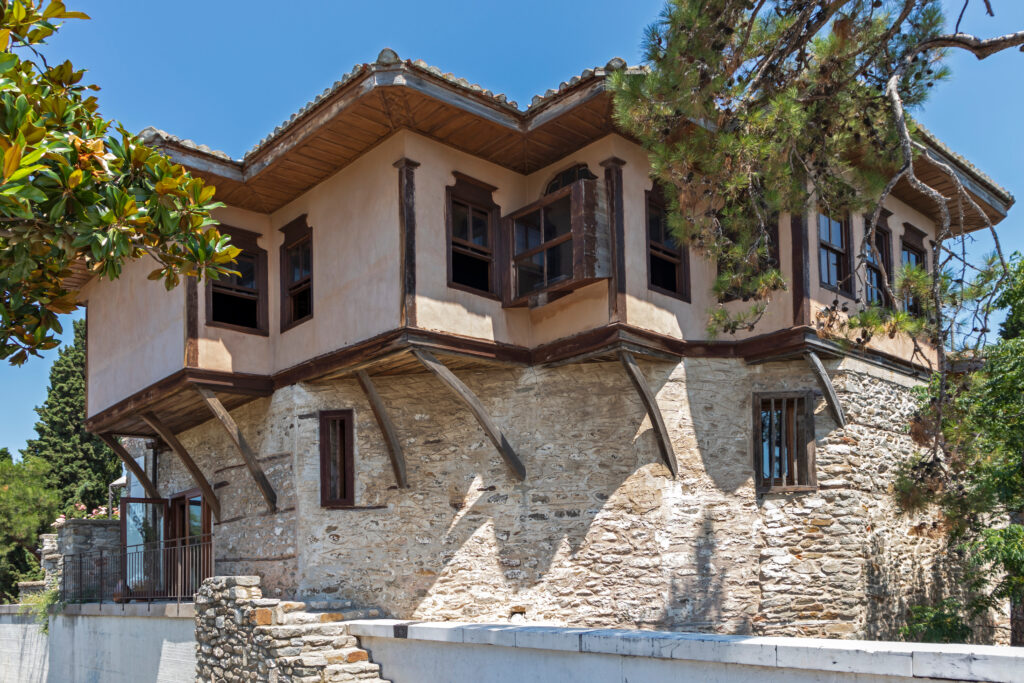
The birthplace of Mehmet Ali Pasha is one of the emblematic historical monuments in Kavala. Built in the 18th century, it was the home of the Ottoman ruler Mehmet Ali, who is known as the founder of modern Egypt. The house stands out with architecture typical of the period, including wooden features, spacious rooms and an inner courtyard.
Here you will learn more about the life and work of Mehmet Ali, as well as his ties to Kavala. Several of the rooms display photographs, documents and artefacts that show the importance of this historical figure for the city and the region.
Entrance fee: Around 3–4 euros for adults.
Useful tip: Look for a guide on site or download an audio tour in advance so you can learn more interesting facts during your visit.
The Imaret (Imaret)
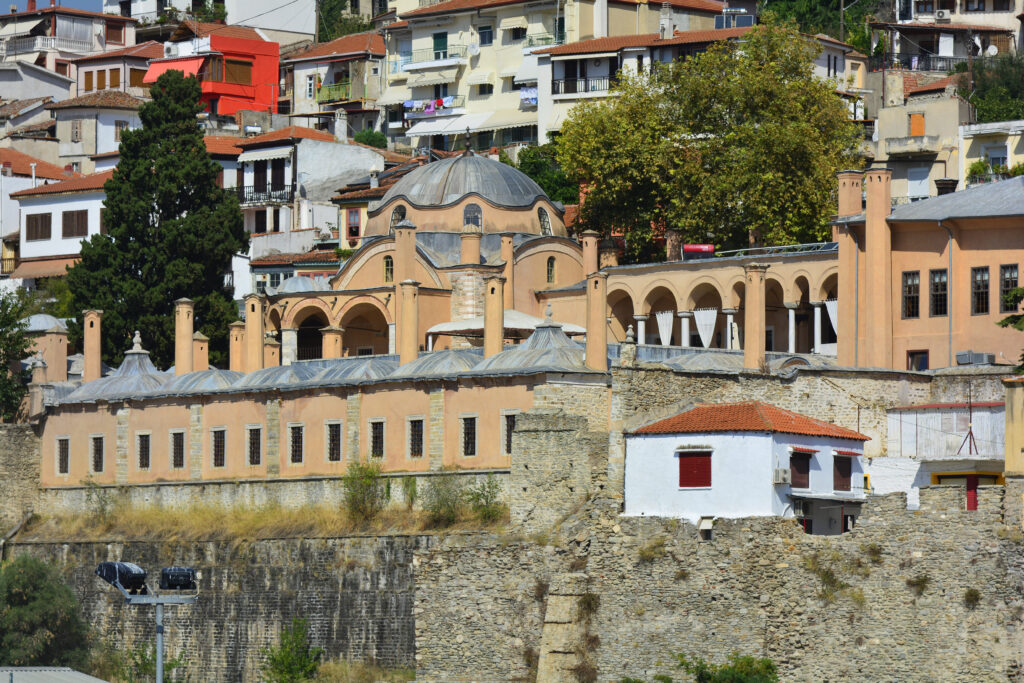
The Imaret is another historic building, also linked to Mehmet Ali, which in the past served as a religious and educational complex. Built in the 19th century, the building impresses with its distinctive Ottoman architecture – numerous domes, arches and inner courtyards. Today the Imaret has been turned into a luxury hotel with a restaurant, but part of the building is open to visitors who want to get a feel for its history.
A stroll through the courtyards and halls of the Imaret is a true journey back in time – you will see how modern comfort skilfully coexists with the authentic atmosphere of the past. Some of the rooms still retain original decorative features and mosaics.
Entrance fee: There may be a token fee, or you may need to order something at the café/restaurant to access the building.
Useful tip: If you can, book a table for dinner or an afternoon coffee to enjoy the unique setting more fully.
The Kamares Aqueduct (Kamares)
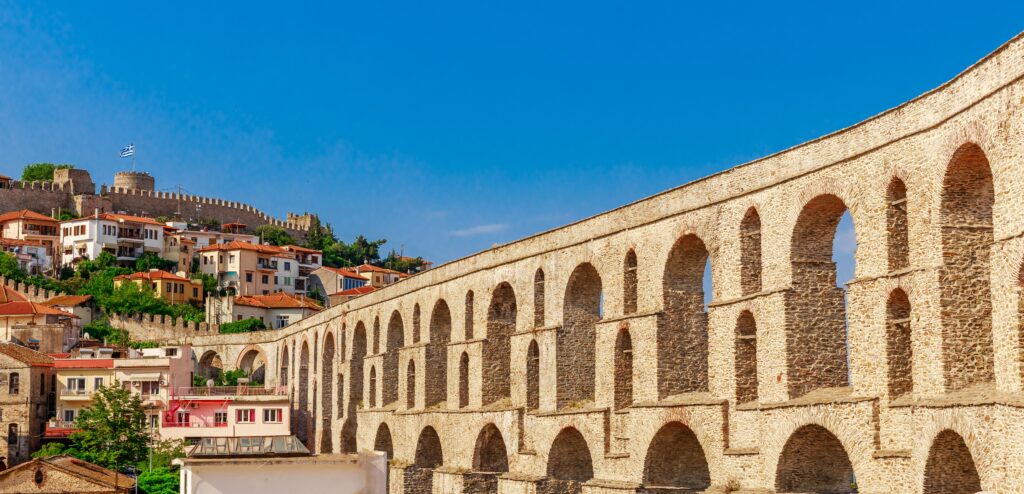
The Kamares Aqueduct is an imposing stone bridge that once carried water from the mountains to Kavala. Built during Ottoman rule, it stands out with its massive arches and graceful line above the city. Today Kamares is one of the symbols of Kavala and a must-see stop for anyone who wants to get to know its historical heritage.
Near the aqueduct you will find small cafés and spots where you can relax and admire it. It is also a great backdrop for photos – especially in the evening, when it is lit up.
Entrance fee: None; a stroll around the aqueduct is completely free.
Useful tip: Go in the evening to see the beautiful lighting that highlights the imposing arches.
Kavala Harbour (Limani Kavalas)
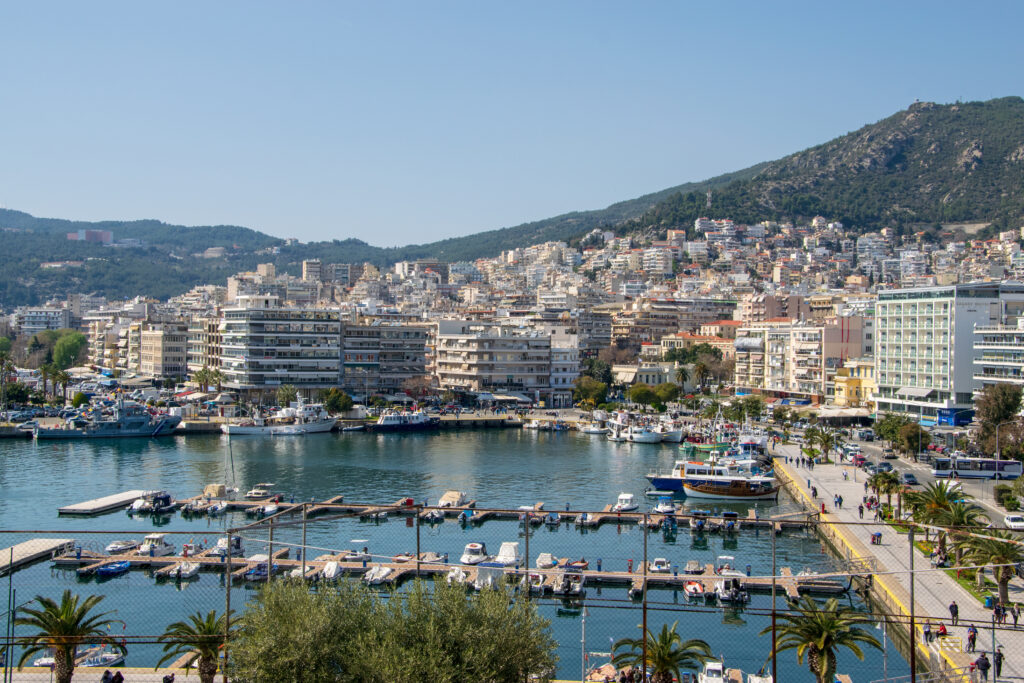
The harbour is the heart of maritime life in Kavala – the place where fishing boats, yachts and ferries are constantly on the move. Here you can take a leisurely stroll along the seafront promenade, enjoy the view of the fortress and try fresh seafood in the many tavernas.
It is also the main transport hub for anyone planning to carry on to the nearby islands or explore the surrounding coastal areas. The atmosphere is especially lively in the evening, when tourists and locals meet and share the same favourite place for a stroll.
Useful tip: Look for small street bakeries and cafés around the harbour, where you will find typical Greek coffee and delicious pastries.
The Archaeological Museum of Kavala (Arhaiologiko Mouseio Kavalas)
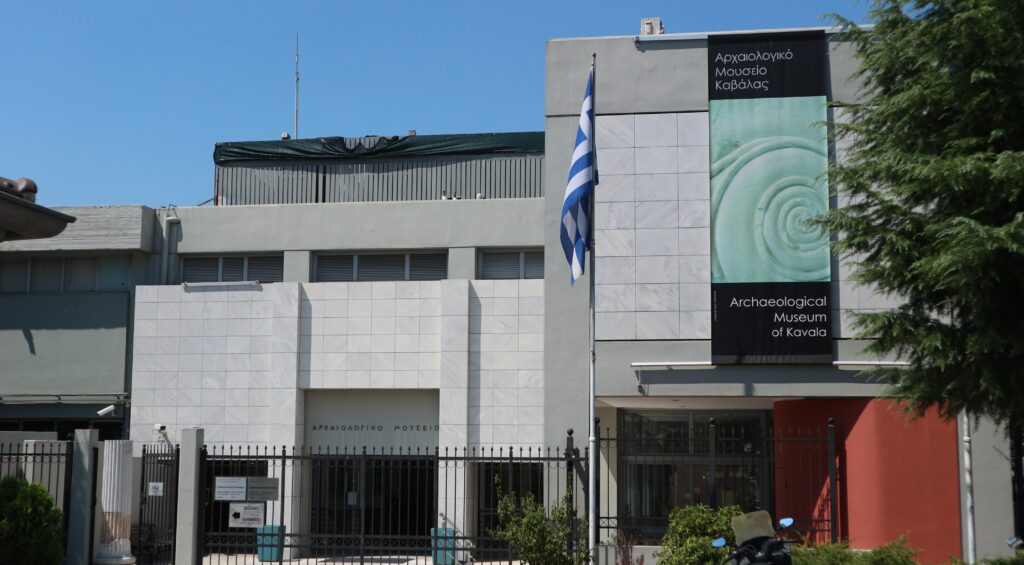
The Archaeological Museum in Kavala is a place where you can immerse yourself in the deep history of the region – from prehistoric finds, through ancient Greek and Roman artefacts, all the way to the Byzantine period. The exhibits are arranged by theme and provide valuable information about the development of this part of Greece.
Particularly impressive are the pottery, the marble sculptures and the gold jewellery uncovered during excavations. The museum often organises educational programmes, lectures and temporary exhibitions, which make a visit even more exciting and enriching.
Entrance fee: Around 3–5 euros. There are discounts for children, students and groups.
Useful tip: Check the museum’s website (or local information) in advance to find out whether there are any temporary exhibitions or events during your visit.
The Church of St Nicholas (Ieros Naos Agiou Nikolaou)
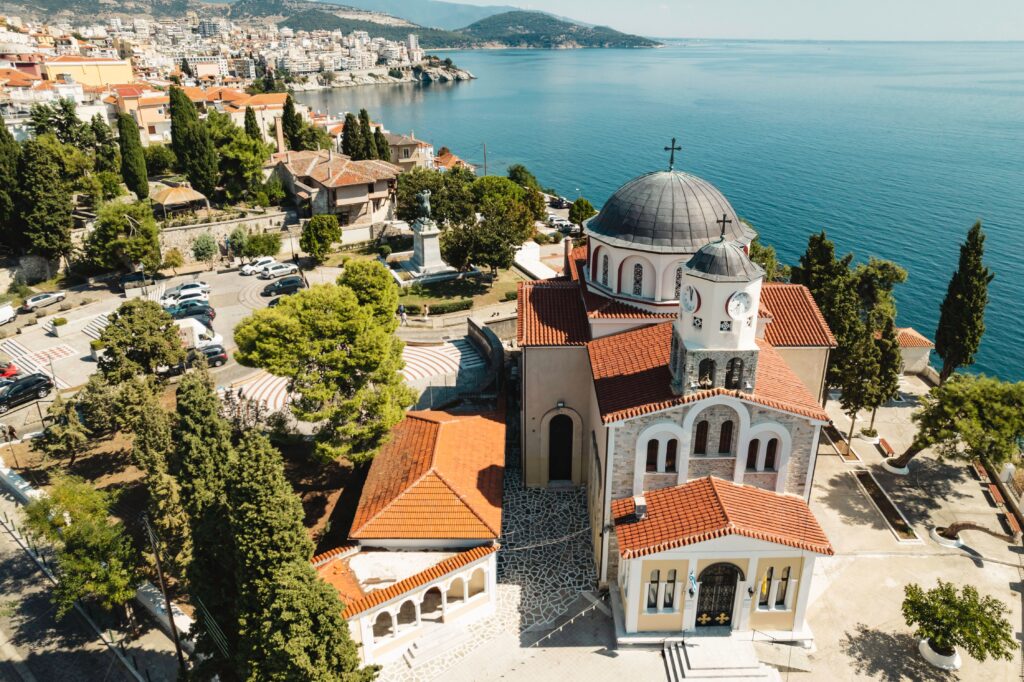
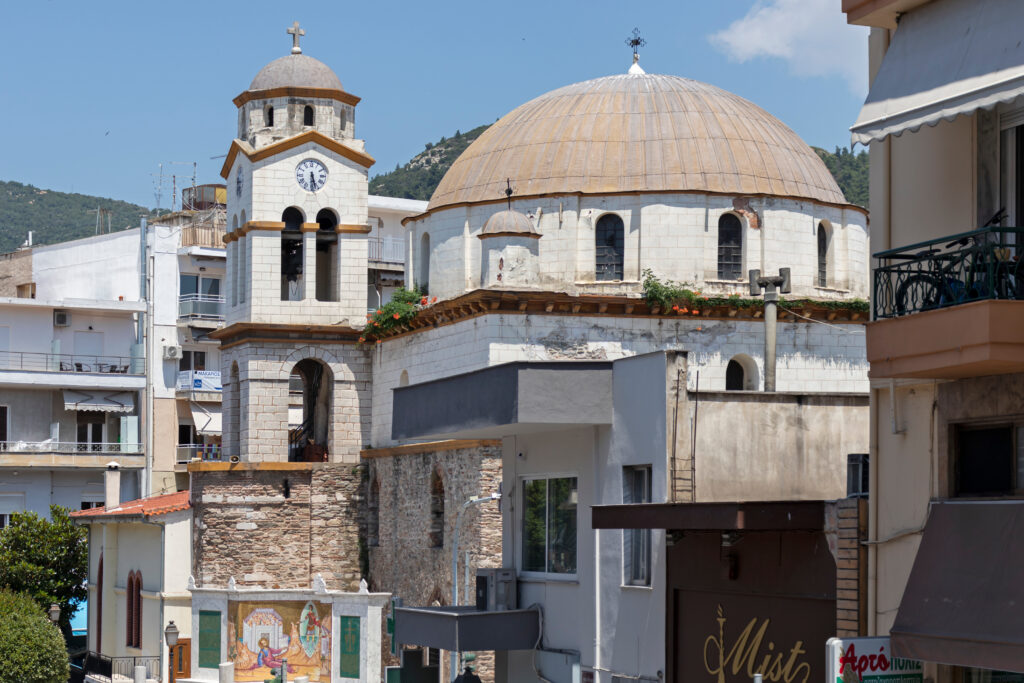
This church is known as one of the oldest in Kavala and is located in the central part of the city, close to Kamares and the harbour. Its architecture is a mix of Byzantine and more modern elements, and the interior impresses with rich decoration, icons and frescoes.
In the churchyard you will find peace and a chance to escape the bustle of city life for a moment. Local people often come here to light a candle and pray, so please behave with due respect.
Entrance fee: None; the church is open to visitors on most days.
Useful tip: Wear appropriate clothing and respect religious practices (don’t take photos during services unless permitted).
Philippi (Filippoi)
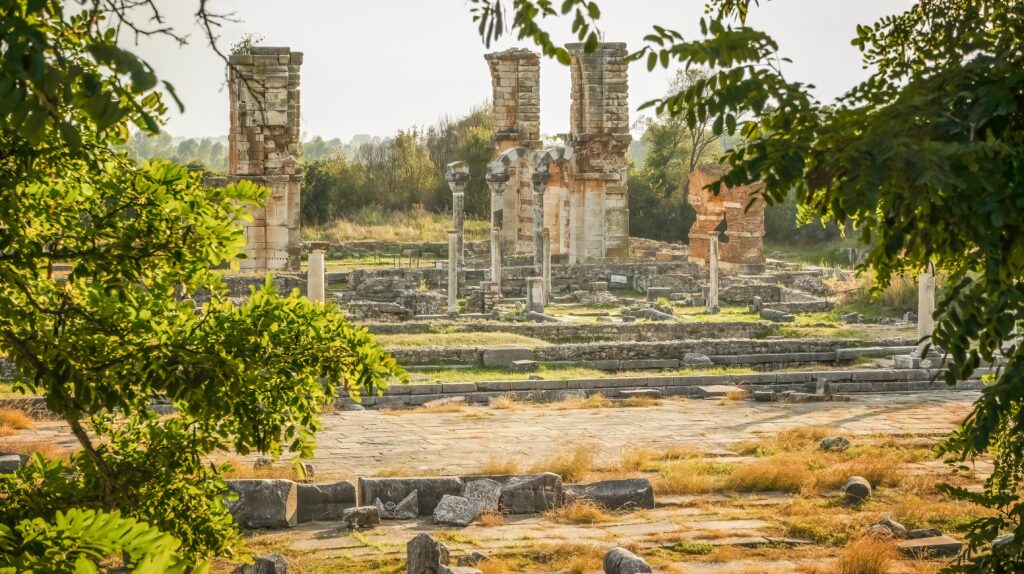
Philippi is an archaeological site located about 15 km from Kavala and is on the UNESCO World Heritage List. It is an ancient city founded by Philip II of Macedon (the father of Alexander the Great) and is of enormous historical importance. Walking among the remains of the theatre, the basilicas and the Roman agora, you will feel the spirit of antiquity that still lingers here.
It was here that the Apostle Paul preached Christianity for the first time on European soil, which gives the place even greater spiritual significance. You can also explore the Philippi museum, which displays many finds from the excavations, and admire the beautiful natural scenery around.
Entrance fee: Around 6–8 euros; combined ticket with the museum.
Useful tip: In summer, choose the early morning hours for your visit to avoid the heat and have more time to look around.
Ammolofi Beach (Paralia Ammolofoi)
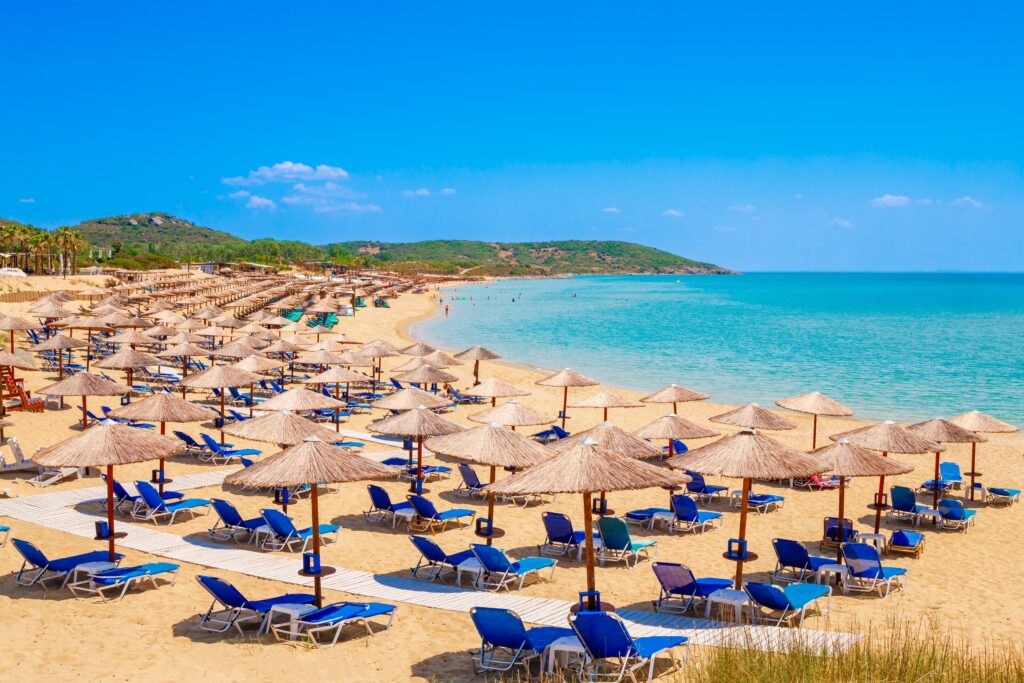
If you are looking for golden sands and crystal-clear water, Ammolofi is the place for you. It lies about 20 km from Kavala and is among the most popular beaches in the area. “Ammolofi” means “sand dunes” in Greek, and it is precisely such dunes that shape the lovely stretch of beach, creating a unique landscape.
The beach is well equipped with umbrellas, sunbeds, beach bars and eateries where you can grab a bite or simply have a refreshing drink. The longer, quieter stretch of coastline also offers more secluded spots if you prefer peace and quiet.
Entrance fee: None, but umbrellas and sunbeds usually come with a minimum spend or a small charge.
Useful tip: Go early at weekends, as the beach fills up quickly on hot days.
Bonus: The Island of Thassos (Thasos)
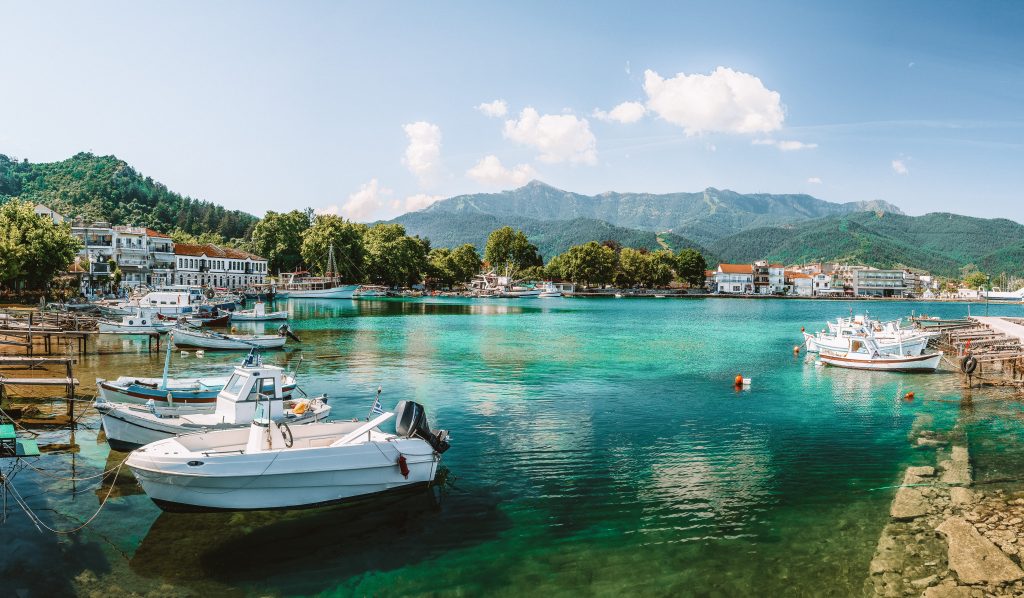
The island of Thassos is very close to Kavala and is a favourite destination for day trips or a longer holiday. You can reach it by ferry, which departs from the port of Keramoti (Keramoti) or from Kavala itself, depending on the season. The crossing takes between 30 and 60 minutes and will take you to one of the greenest Greek islands.
On Thassos you will find endless olive groves, picturesque bays and small villages where life moves at a slower pace. The island offers a variety of beaches – from crystal-clear, calm coves to livelier stretches of sand with bars and water sports. If you have more time, explore the archaeological sites too – the island has a rich ancient history.
Entrance fee: There is no specific entrance fee for the island, but ferry tickets cost around 5–10 euros per person, plus an extra charge if you are taking a car.
Useful tip: Check the ferry timetables in advance and plan your visit so that you have enough time to get to know the island.

Author
Vilislav Alkantara