
As well as its ancient history, Greece is famous the world over for its insanely beautiful beaches and incredibly crystal-clear waters. Perhaps that’s why so many of us Bulgarians prefer Greek resorts to our own. From the roads, the service and the hotels to the beaches and how well they’re looked after, the Greeks beat us hands down on every count. They simply know how to make money from tourism.
Thassos, the northernmost Greek island, also known as the “Emerald Island”, is one of my favourite holiday spots in our southern neighbour. This was the second year running that we’d picked it – not just because it’s so close to Bulgaria, but perhaps also for its beautiful nature and wild beaches.
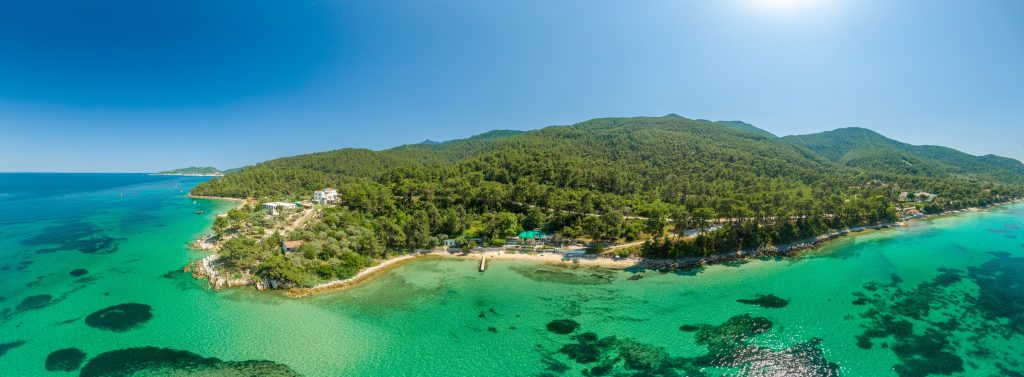
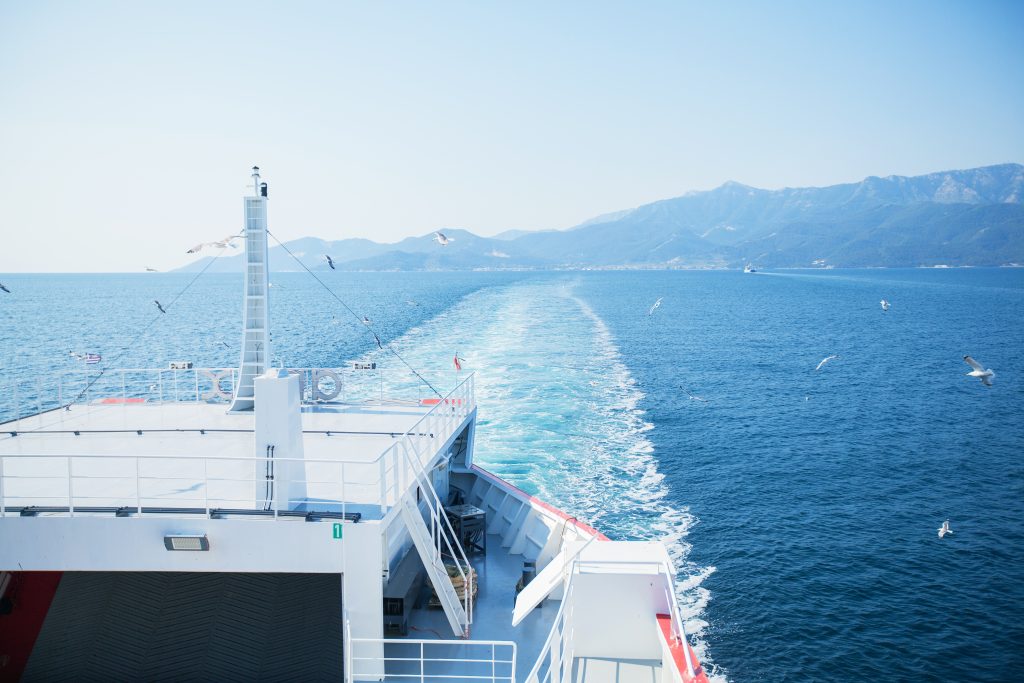
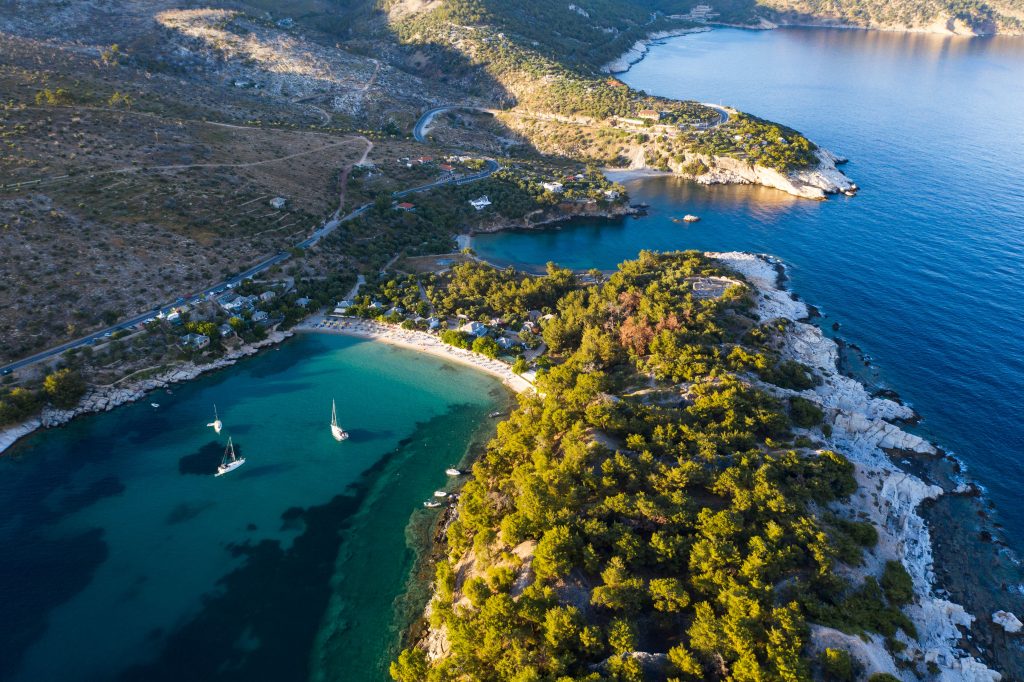
The only way to get to the island is by car and ferry from Kavala or Keramoti. From the ferry, the first thing I saw ahead of me were high, mountainous hills covered in green vegetation – far more than on most other Greek islands. At first glance, all that greenery reminded me of a Hawaiian landscape. Long beaches of white sand and deep, turquoise, crystal-clear water. The locals are very kind and friendly, especially once you mention you’re from Bulgaria. In fact, quite a few hotels and restaurants have at least a couple of Bulgarians on their staff.
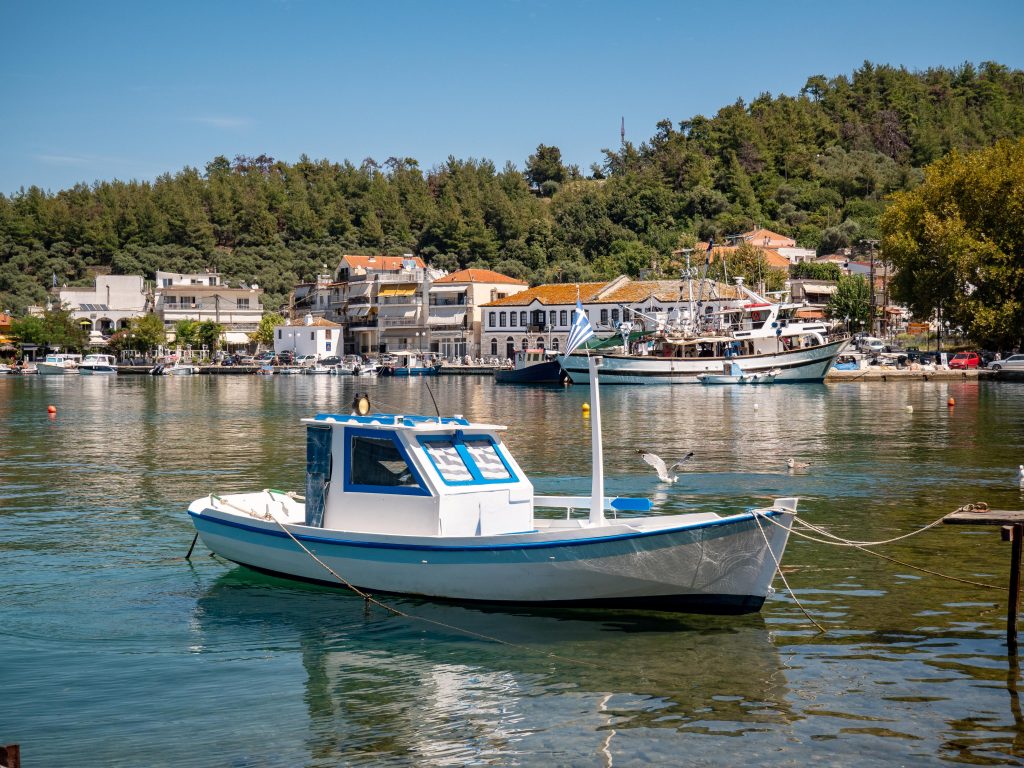
The main town is Limenas, or, translated, “the Port of Thassos”. As soon as you get off the ferry, you can park the car somewhere and take a stroll around the town. It won’t take you long, as it’s not a big place – there are plenty of restaurants along the waterfront and lots of little shops selling souvenirs and local produce such as honey. The town also has the remains of an ancient city and an amphitheatre that you can visit.
Fun facts
- Thassos is the 12th-largest Greek island
- The island is roughly round, with a circumference of about 100 km.
- The whole island has a population of almost 14,000. People mainly make their living from tourism, fishing and marble quarrying.
- It’s called the “Emerald Island” because of the greenery that covers it – pine and olive trees, plus lots of herbs and aromatic plants.
- There’s no airport on the island; the nearest one is in Kavala – “Alexander the Great”. Apart from driving, you can take a bus to Kavala and from there on to Keramoti, where you can catch the ferry to Thassos.
- The island produces a lot of olive oil, so if you’re into healthy living, you can pick up oil that’s much better quality and cheaper than what’s sold in Bulgarian shops.
We were staying in Keramoti, a small, quiet resort on the opposite shore. We decided to visit Thassos just for the day, take a tour of the island, go to Giola – a very famous rocky beach – and come back in the evening. Our adventure began early in the morning. We decided to leave the cars at the hotel. We arrived in Limenas and started looking for a Rent a Car place where we could hire scooters – we reckoned it would be more fun, and besides, lots of the beaches are simply impossible to reach by car. There were several around the port, and we picked the one that looked the most sensible. There were six of us – two to a scooter – and even though I’d never so much as sat on a scooter, I decided to take the risk and drive.
And we’re off! About a hundred metres before the edge of town there was a petrol station, so we stopped to fill up. The others had already set off while I was still faffing about trying to start the engine. I don’t know what happened – I’ve no explanation, I probably gave it too much throttle – but we simply shot out of the petrol station, across the road and straight into the fence of a house. The scooter toppled over on its side, and so did we. My whole left leg was covered in blood, and my girlfriend, who was riding behind me, panicked. I picked the scooter up, but it started falling apart. Before we’d even left Limenas, we’d lost a wing mirror. Even so, I started it up and we caught up with the others. Looking back, I realise what a comical sight we must have been – and how dangerous it was for us to ride like that.
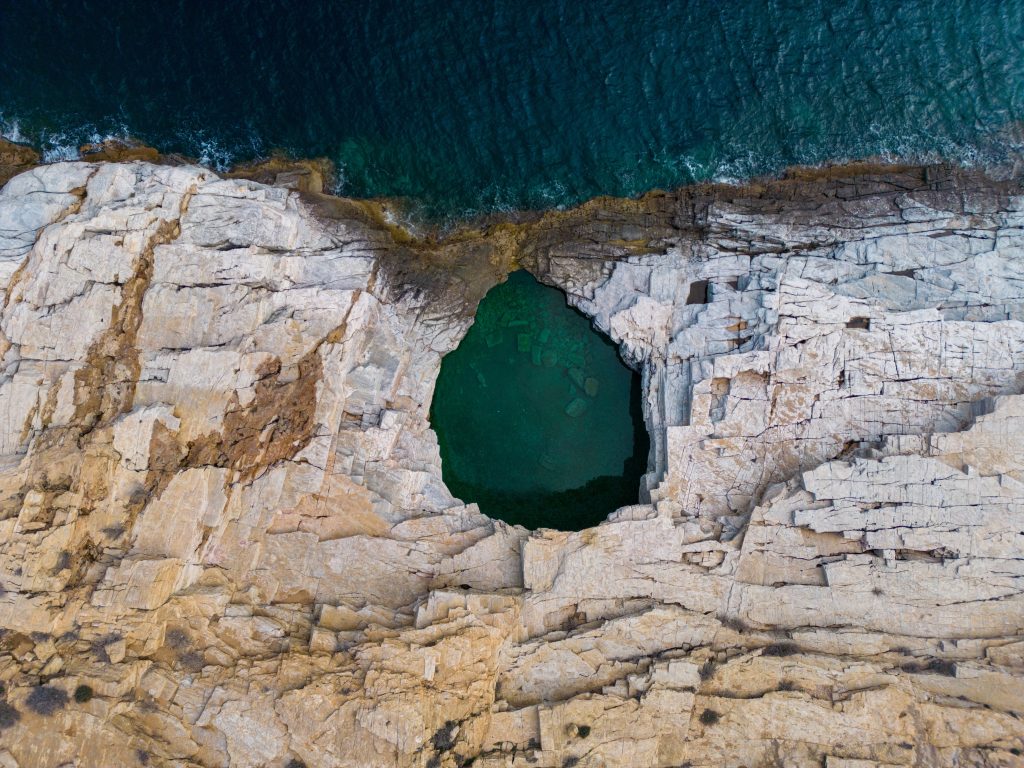
Once we’d had a good laugh, we carried on to our first stop, Giola. Everyone who’s been to Thassos has been there, or at least heard of it. It’s a uniquely beautiful spot – a natural pool of salty seawater carved into the rocks. It’s a few kilometres from the village of Astris and is pretty hard to get to. I can definitely tell you the track is properly off-road and not for normal cars. You need a 4×4 – or, as in our case, scooters. It was a real struggle getting there, but the important thing is we made it. After leaving the scooters in the car park, we walked for a while down the steep paths to the beach. The view was out of this world. Luckily there weren’t many people around, and we made the most of our time there.
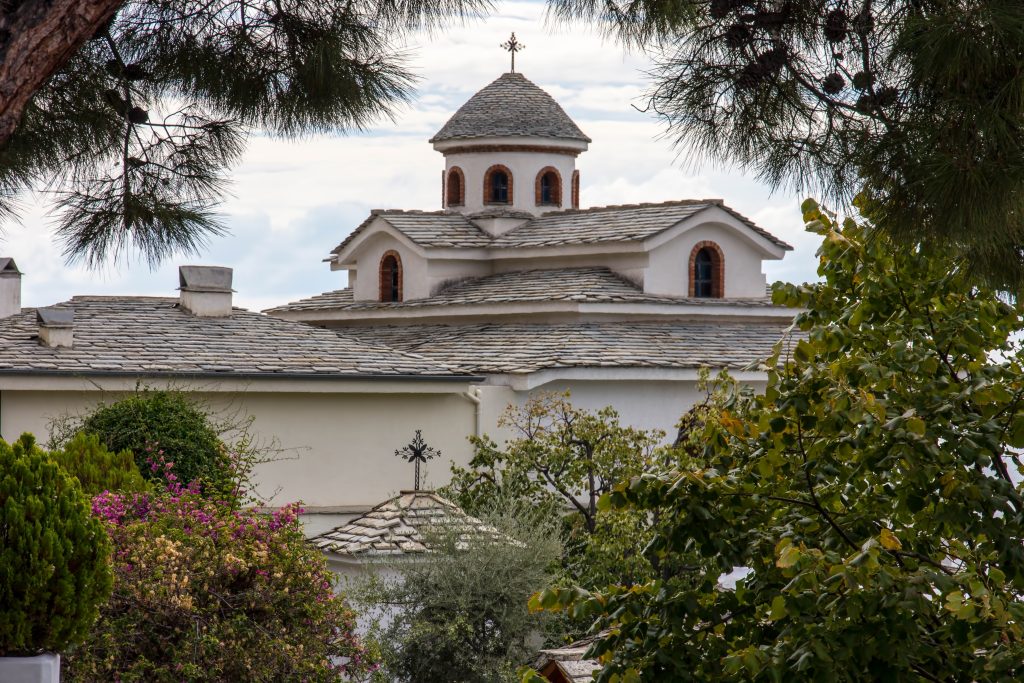
Climbing back up was harder than going down. We carried on with our tour of the island, and our next planned stop was the Monastery of St Michael the Archangel, perched on the cliffs above the sea. It’s the perfect place to be alone with your thoughts while enjoying the insanely beautiful view from the monastery courtyard. Even if you’re not religious, it’s worth dropping in for the incredible architecture, which has survived for almost 8 centuries.
Just before the monastery, we had to stop. Once again, one of the scooters was playing up. One of the lads noticed that the spring on his rear shock absorber had come loose and there was no way he could carry on. We immediately got in touch with the people we’d hired the scooters from. We waited for more than an hour in the middle of nowhere, but in the end they turned up with another scooter so we could keep going. After stopping at the monastery, we headed back towards Limenas, because it was already getting dark and we were shattered after all that waiting. But at least adventures like that leave you with memories that last.
What should you see on Thassos?
The ancient city of Limenas and the ancient theatre
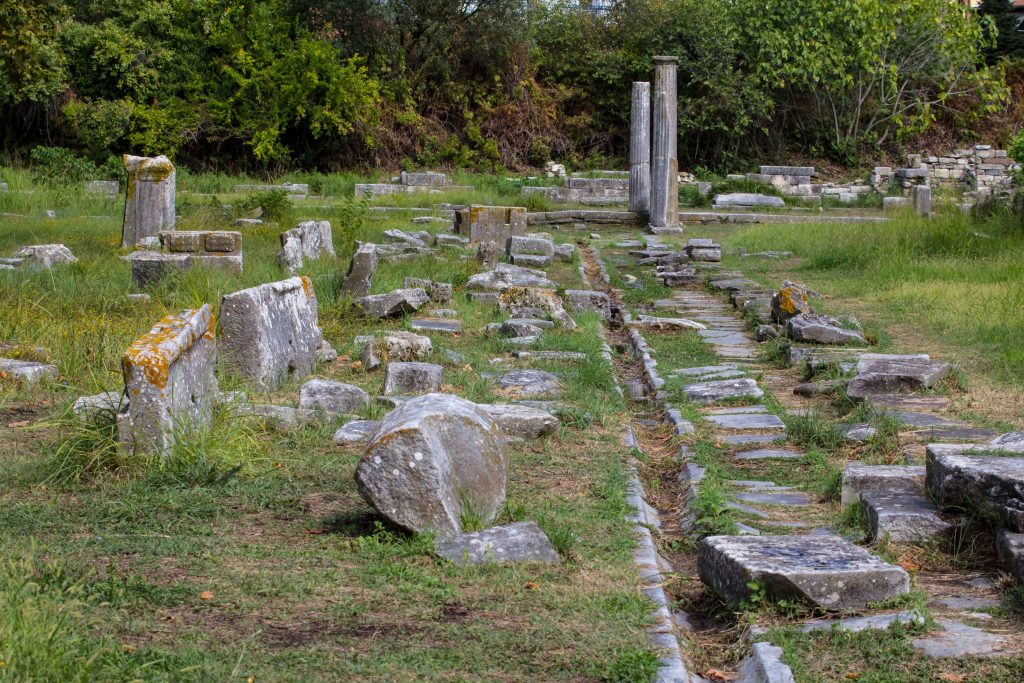
Limenas, also known as Thassos (the name of the island’s modern capital), is an ancient city that holds the island’s rich historical heritage. It was an important commercial and cultural centre in antiquity. Today visitors can explore the ruins of the ancient city, including the acropolis, temples and the ancient theatre, which reveal the grandeur of ancient Thassos.
- The Acropolis: Set on a hill above Limenas, the ancient acropolis offers fantastic views of the town and the sea. The walk to the top takes you past ancient walls, temples and the remains of sanctuaries, including temples to Apollo and Athena.
- The Ancient Theatre: The ancient theatre of Thassos is one of the best-preserved ancient structures on the island. Built in the 5th century BC, it was originally used for drama and music contests. Later, in Roman times, it was rebuilt and used for gladiator fights. Today visitors can explore the ruins and even attend the cultural events that are sometimes held there.
- Archaeological Museum of Thassos: Limenas is also home to the Archaeological Museum of Thassos, which holds artefacts found during excavations on the island. They include sculptures, ceramics and other objects from different periods – from the Neolithic to Roman times. One of the most impressive exhibits is the head of the Cavalier (Hercules).
The Monastery of St Michael the Archangel
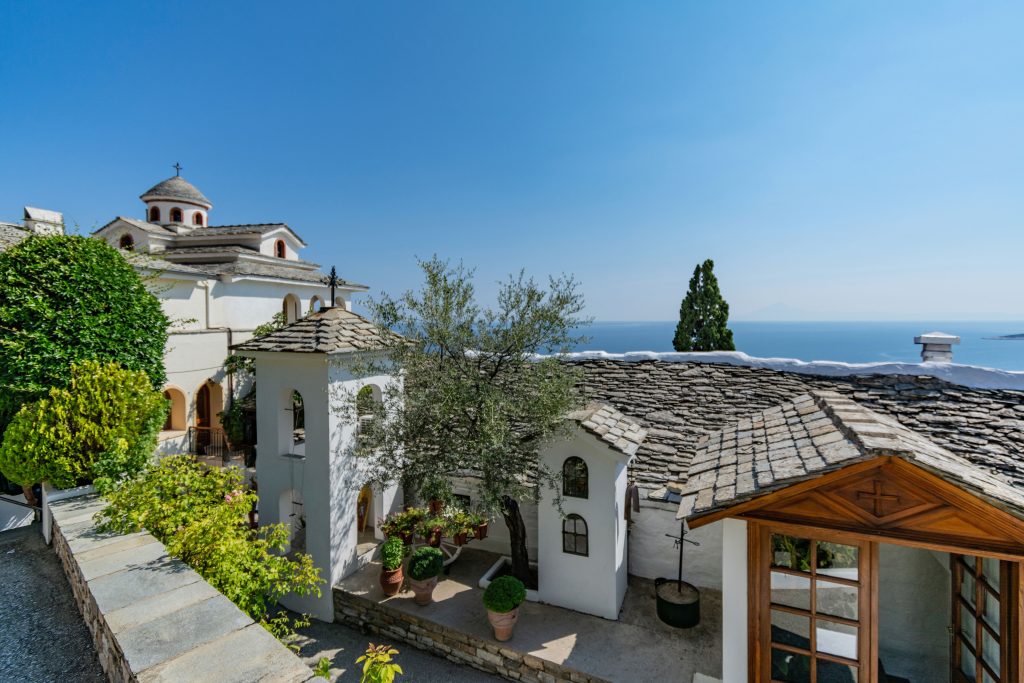
The Monastery of St Michael the Archangel is one of the most important religious and spiritual sites on Thassos. Set on the island’s south-east coast, it offers incredible panoramic sea views and is an important place of pilgrimage. The monastery is dedicated to St Michael the Archangel, who is regarded as the island’s patron saint.
- History: The monastery was founded in the 18th century, and today it’s a working convent belonging to the monastic community of Mount Athos. It’s known for its spiritual atmosphere and draws pilgrims and tourists from all over the world. The monastery keeps a relic – a nail from the Holy Cross – which adds even more to its importance.
Panagia
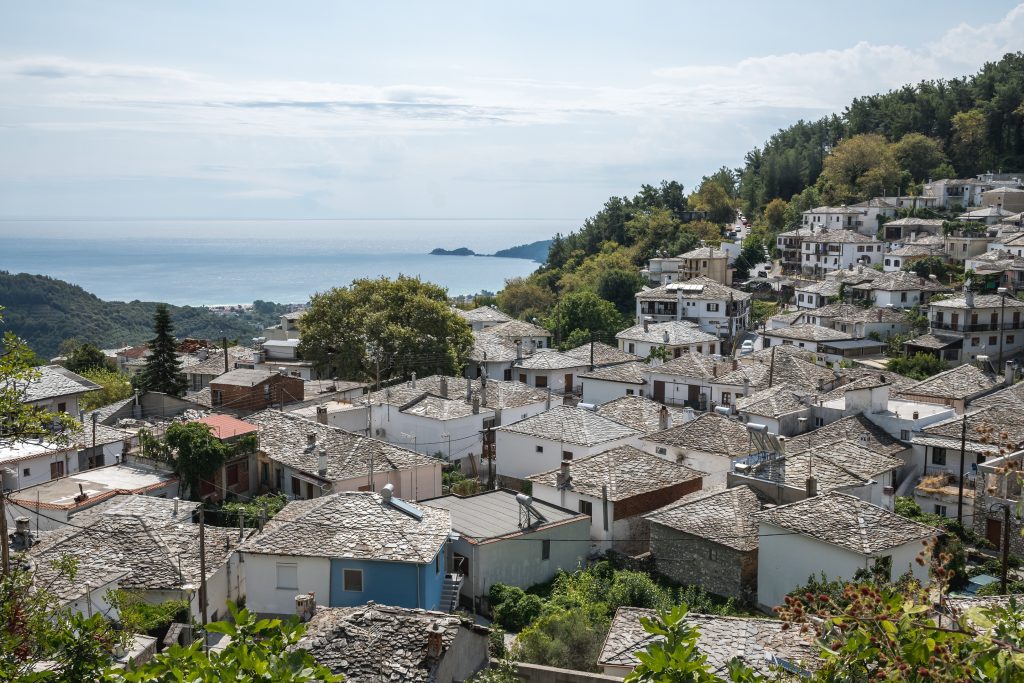
Panagia is a traditional village up in the island’s mountains. It’s known for its authentic stone houses, narrow lanes and welcoming atmosphere. Panagia is one of the most picturesque villages on the island and has incredible views over the Aegean Sea. As well as its beautiful architecture, the village is popular for its historic sights and local cuisine.
- Sights: In the village you’ll find the beautiful Church of the Panagia (the Virgin Mary), built in 1831, where the Dormition of the Mother of God is celebrated every year on 15 August. The locals keep their traditions alive, and you’ll have the chance to try authentic dishes during the festival.
Beaches
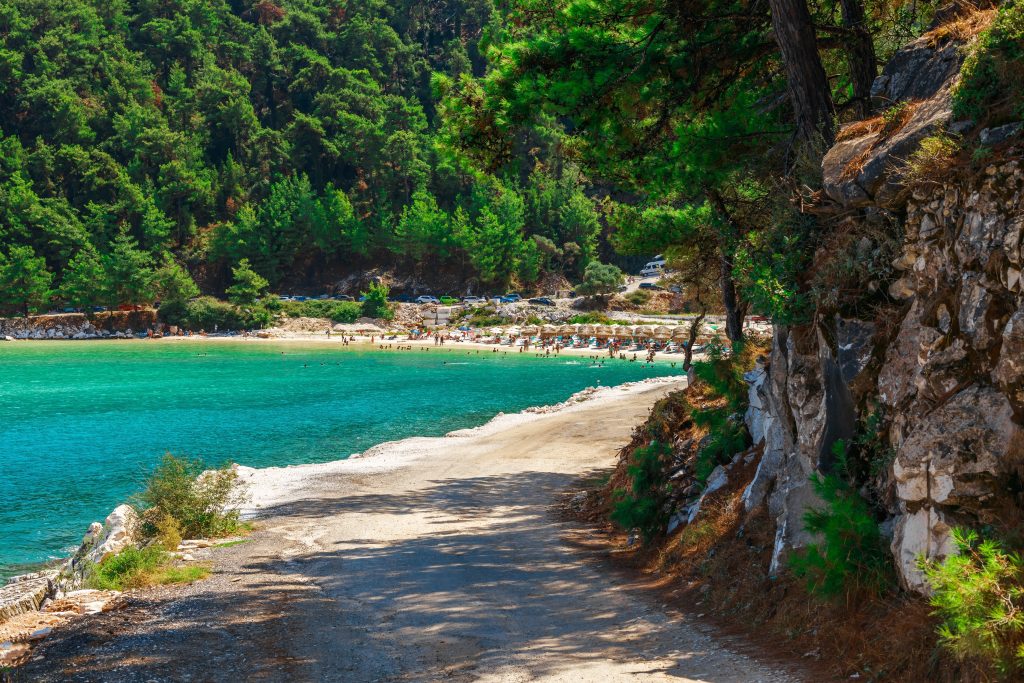
Thassos has lots of beaches you can visit, such as Golden Beach or Marble Beach – two of the most popular. As I’ve said, the sea is out of this world – clean and crystal clear. Don’t forget your flip-flops, because the tiny marble pebbles covering the beaches dig into the soles of your feet and can sometimes be painful. The island also has lots of villages where you can rent a house if you want to escape civilisation for a while – Aliki, Kastro, Kazaviti, Theologos, Potos and many more.
What should you try on Thassos?
- Greek salad – a must with every meal, especially in the evening with a glass of white wine or ouzo
- Moussaka – quite different from the typical Bulgarian moussaka; this one is made with aubergines and served in almost every restaurant
- Souvlaki – the most popular dish in Greece, served with tzatziki. You’ll find it in every restaurant, as well as at fast-food places
- Seafood – here, at least, the fish is freshly caught. I highly recommend the griddled squid or the fagri.
Author
Vilislav Alkantara