
A trip to mystical Cappadocia had been on my mind for several years, and I’d be lying if I told you I ended up there by chance, the way I have on most of my travels so far. It was no accident at all. It was dreamed of, planned and unforgettable. The breathtaking landscapes around the village of Göreme, in the heart of Anatolia, combined with a magical sky filled with hundreds of balloons and land steeped in thousands of years of history, make this one of the most sought-after and most visited romantic destinations in the world. The Turks call Cappadocia one of the wonders of Turkey, and now that I’ve been, I can tell you they’re absolutely right.

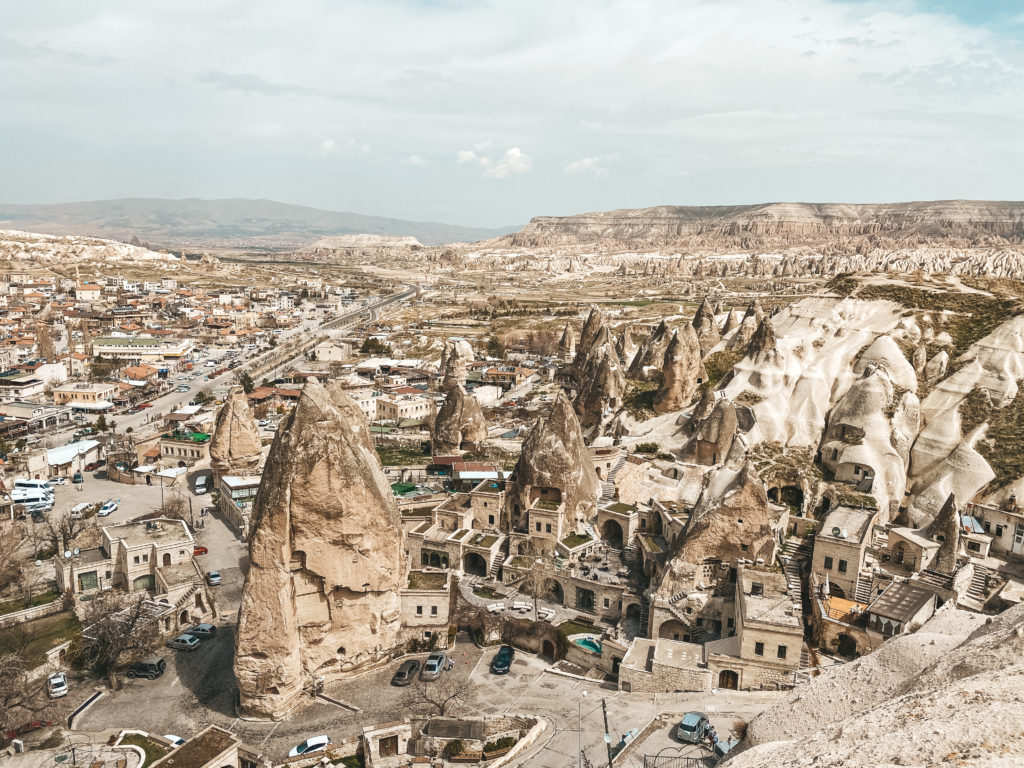
Cappadocia, or “the land of beautiful horses” – which is what the region’s name means in ancient Persian – lies in the Turkish province of Nevşehir. The whole region covered by Cappadocia has a unique historical and cultural heritage. It’s home to remarkable natural rock formations that took shape millions of years ago, and close to this awe-inspiring place there was an active volcano as recently as 4,000 years ago. Nature sculpted futuristic shapes out of the cooled lava, while the locals carved their homes, temples and chapels into the hardened magma.
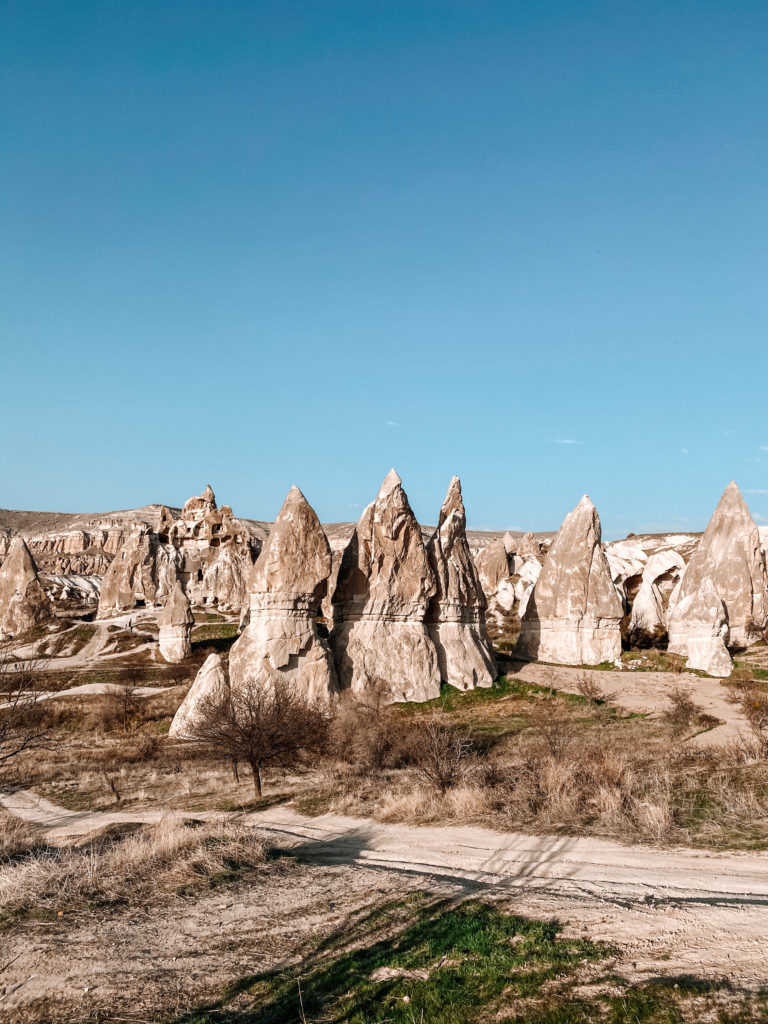
Cappadocia is a complex of open-air museums of great historical and cultural importance, protected by UNESCO. Here you can marvel at rock formations you won’t see anywhere else in the world – pyramids, mushrooms, chimneys and anything else your imagination can conjure up. Around 2 million tourists visit every year, coming from all corners of the globe to see this phenomenon and soak up the mystical atmosphere of the place. At times it reminded me of the rock formations in Belogradchik.
The incredible landscapes all around, together with the famously warm Turkish hospitality, made our trip a truly unforgettable fairy tale – even though it was at the height of the pandemic. Although the whole country was in a national lockdown, everything in Göreme was open, if not exactly overrun with tourists. Perhaps that was the main reason we chose Cappadocia in the first place: as I’d expected, there were very few tourists and we avoided the crush in the village’s narrow cobbled lanes. Yet you didn’t feel the lack of crowds, because absolutely all the restaurants, museums and attractions were running as normal. In this blog I’ll tell you about the most interesting places we visited, along with my impressions and experiences there.
When should you visit Cappadocia?
The best time to visit Cappadocia is in late spring or early autumn. We went at the end of April and, to our surprise, it had snowed the day before our flight – something really unusual for that time of year at these latitudes. Luckily, by the next day the snow had melted without a trace. During the day it got pleasantly warm (around twenty degrees), but the evenings were pretty cold (7–8 degrees). The locals told us it isn’t usually that cold at this time of year, but this year was clearly an exception.
I’d rule out the summer months, simply because it gets really hot. As there’s not much greenery here, the heat feels very different. Summer is also packed with tourists, and I’d even say the crush in the already narrow lanes of Göreme becomes downright unpleasant.
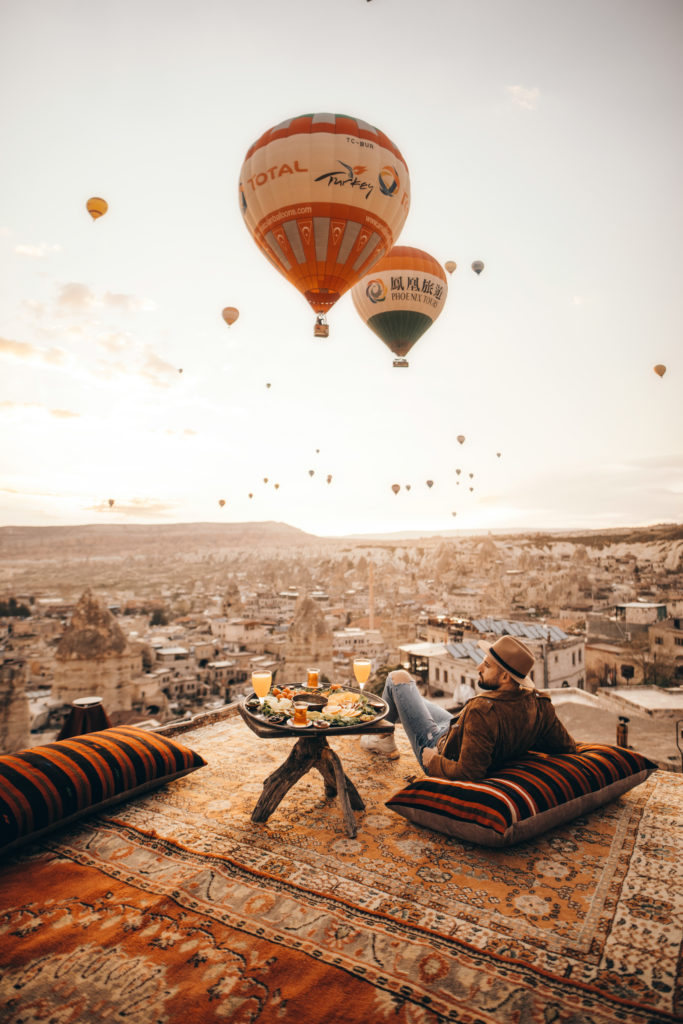
I’m sure Cappadocia is magically beautiful in winter too, but the temperatures are pretty low. Bear in mind that the balloons fly all year round, whatever the season, as long as there’s no strong wind. So whichever season you choose, as long as the weather allows, you’ll be able to enjoy an incredible balloon ride over the valleys of Cappadocia.
How do you get there?
Cappadocia is in the province of Nevşehir – literally in the heart of Turkey. You can get there on a direct charter flight from Sofia, or by coach if you’re on an organised tour, of course. If you’d rather organise the trip yourself, as I usually do, you can fly from Sofia to Istanbul, spend at least 2 days in the former Ottoman capital (if you haven’t been yet) and then fly from Istanbul to Nevşehir airport. The flight with Turkish Airlines takes about an hour and twenty minutes. Bear in mind that domestic flights in Turkey are pretty cheap, and if you book a little in advance, your trip can work out really good value.
Nevşehir airport is about an hour’s drive from Göreme – the village where most tourists stay. Almost every hotel offers a transfer from the airport, and there’s also a shuttle that runs between the airport and Göreme at set intervals. I’d definitely recommend the first option, a direct transfer from the airport to your hotel. It’s much quicker and more comfortable, it fits around your arrival and departure times, and it costs about the same as a shuttle ticket. Bear in mind that Turks love to haggle – today they might tell you the ticket is 70 lira, and tomorrow 120. So here’s another practical tip: haggle to the very end!
Where should you stay?

As I mentioned, the most popular place to stay in Cappadocia is Göreme, and in particular one of the dozens of cave hotels, literally carved into the rock formations and furnished inside in an authentic local style. That way your experience will be even more exciting and out of the ordinary.
Most of the hotels are perched in terraces on the village hillsides and have panoramic terraces with unique views of the valley, where at sunrise the whole sky is dotted with hundreds of balloons. There’s nothing quite like sipping your morning coffee with a view so incredible that it fills you with an energy you can’t put into words – all you can say is “You have to see it!”.
These hotels are a little more expensive, but in my opinion they’re well worth the price – the food is outstanding, and the views and service are second to none. Most cave hotels also offer the world-famous Turkish baths and traditional Turkish massages.
What can you do in Cappadocia?
1. Watch the sunrise over Göreme
One of the most beautiful and inspiring moments of my trip to Cappadocia was waking up really early, while it was still half-dark outside, sitting on the hotel terrace with a cup of hot Turkish black tea and waiting for the sunrise. Right at sunrise the whole sky fills with hundreds of balloons, and the sight is simply magical.
Bear in mind that the balloons only take off when there’s no wind, and if the weather doesn’t allow it, you’ll be left disappointed. In fact, I have to tell you that on the first morning I woke up so eager and went up to the hotel roof, where there’s a panoramic terrace for all the guests. People had already started to gather. I found a spot. I sat down and waited. The sun rose, but the balloons never appeared. It was a huge letdown. It turned out the wind had been stronger than allowed and the authorities hadn’t given permission to fly. At least we enjoyed a beautiful sunrise.

2. Try the local food

If anyone asks me what my favourite cuisine is, the answer is definitely oriental – and Turkish in particular. Turkish food is incredibly rich in flavour and wonderfully varied in its ingredients and combinations. I’d describe it as a blend of Central Asian, Middle Eastern, Eastern European, Armenian and Balkan cooking.
From the starters and salads, through the incredible vegetarian and meat mains, all the way to the magical desserts – it’s simply an explosion of flavours and aromas!
I really recommend trying one of the signature local dishes – kebab (chicken or beef) cooked in a clay pot, served in a long earthenware jar that the waiter breaks open in front of you at the table. I’d actually tried it before in Istanbul, but the one I had in Göreme was definitely much tastier.
3. Watch the sunset over the Rose Valley
This is without doubt one of the most beautiful things you can see in Cappadocia. The sky, painted in every shade of pink and red, makes for a truly magical sight.
What makes the valley so special isn’t just the rock formations but also the minerals in the sand, which give the whole rock landscape a pinkish tint – something you notice most at sunset.
If you haven’t hired a car, it’s easy to get there by taxi, but don’t expect to have it to yourself, as the spot is hugely popular not only with tourists but also with young locals. In the evenings young people gather here to wait for the sunset over the valley, listen to music, hang out and drink beer.
4. Cappadocia from above – a balloon flight
One of the most exciting things you can do in Cappadocia, for me at least, is to fly in a balloon over the valleys and their awe-inspiring rock formations. For this pleasure, though, you’ll have to get up really early, in the darkest hours of the night when sleep is at its sweetest. Tour companies usually pick you up from your hotel at around 4 a.m., take you to the launch site and bring you back afterwards.
First they take you to a spot where breakfast is included in the price, but don’t expect anything fancy – you’ll just be handed a sandwich and a bottle of water. Then comes the most exciting part. You’ll be split into groups and driven in small minibuses to the balloon you’ve been assigned to.
A balloon flight usually costs €150, but because of the pandemic and the smaller number of tourists, it was €100 when we were there. Bear in mind that a huge number of companies offer this experience, so don’t rush to book the first offer you come across. Before booking, read reviews online to find the best-value company, as there are sometimes special offers. I recommend THIS option.
5. Go horse riding in the Red Valley at sunset
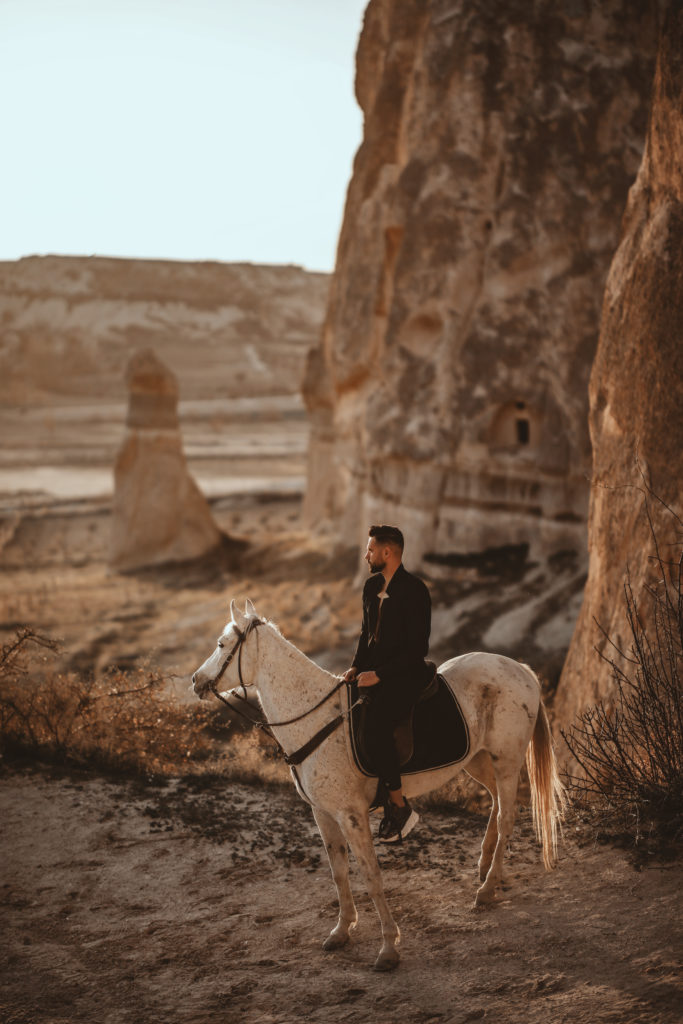
Another exciting and at the same time beautiful experience! I’d been riding for the first time the previous autumn and was really keen to try something new and different. When we arrived in Cappadocia and the girl at the hotel reception offered to book us a ride, I immediately said “Absolutely!”.
The ride lasts about an hour and a half and takes place right at sunset, as the sun disappears behind the bizarre rock formations. Although the horses were very well trained, there’s also a riding instructor to guide you and make sure nothing goes wrong if you lose control of your horse. Horses are incredibly gentle and intelligent animals and can sense if you’re afraid of them – so relax and simply enjoy the experience.
On the way back to the ranch you’ll ride along various paths between the beautiful rocks of the Red Valley (Red Valley) and get to take photos in some really interesting spots.
6. Explore the Göreme Open Air Museum (Göreme Open Air Museum)
The Göreme Open Air Museum is one of the most popular tourist and historical sights in Cappadocia. It’s not far from the village centre – just a 15-minute walk – though of course you can take a taxi if you’re not a fan of long walks. Bear in mind that there are no proper pavements outside Göreme, so you’ll literally be walking along the road.
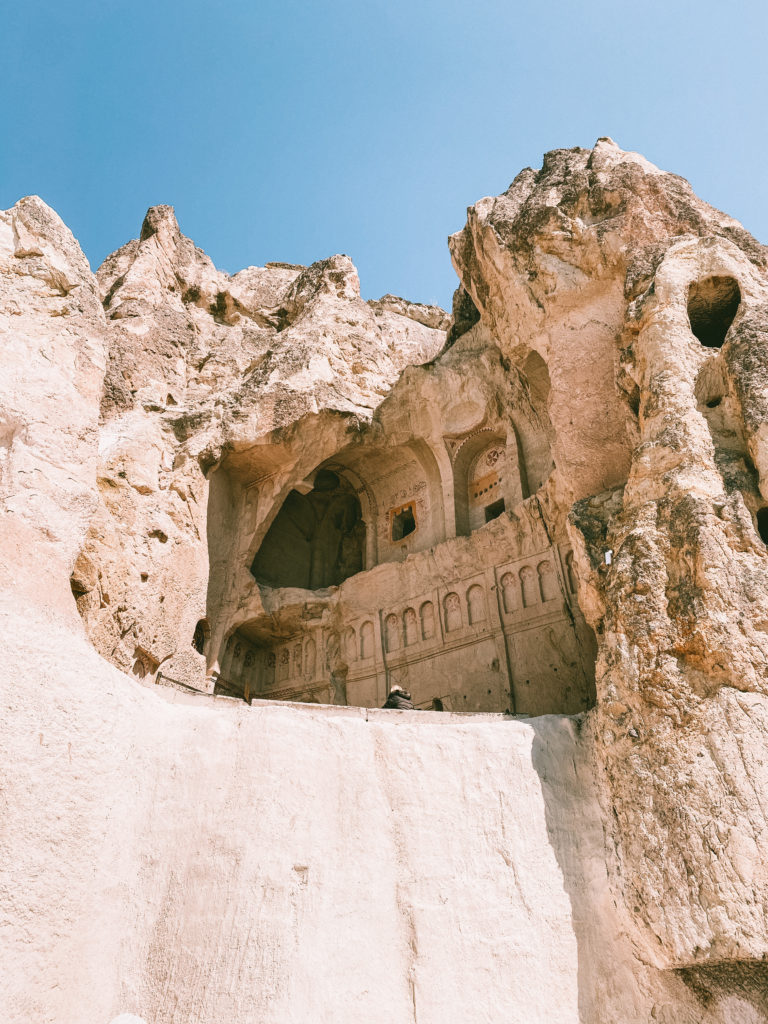
As I wandered through the open-air museum, which is also a UNESCO World Heritage Site, I felt as if I were in a dream or a fairy tale, where wind and sun had sculpted incredible rock formations in weird and wonderful shapes, and where almost 16 centuries ago people had carved some of the oldest Christian churches into them. A true lunar landscape. Legend even has it that this was the birthplace of St George.

As well as being beautiful, the complex is one of the largest and best-known monastic settlements. It has more than 30 churches, and their frescoes are fascinating and date from different periods.
Try to avoid the place at weekends, when it’s packed not only with tourists but with lots of locals too! In summer the museum is open from 8:00 to 19:00, and in winter from 8:00 to 17:00. The entrance fee is 25 TRL.
I’d also recommend picking up an audio guide at the entrance, so you get the full picture of the museum’s history and how the monasteries and monks’ quarters were created.
Despite the crowds, this is a place you simply must visit to get a real sense of the rich history and culture of the whole region.

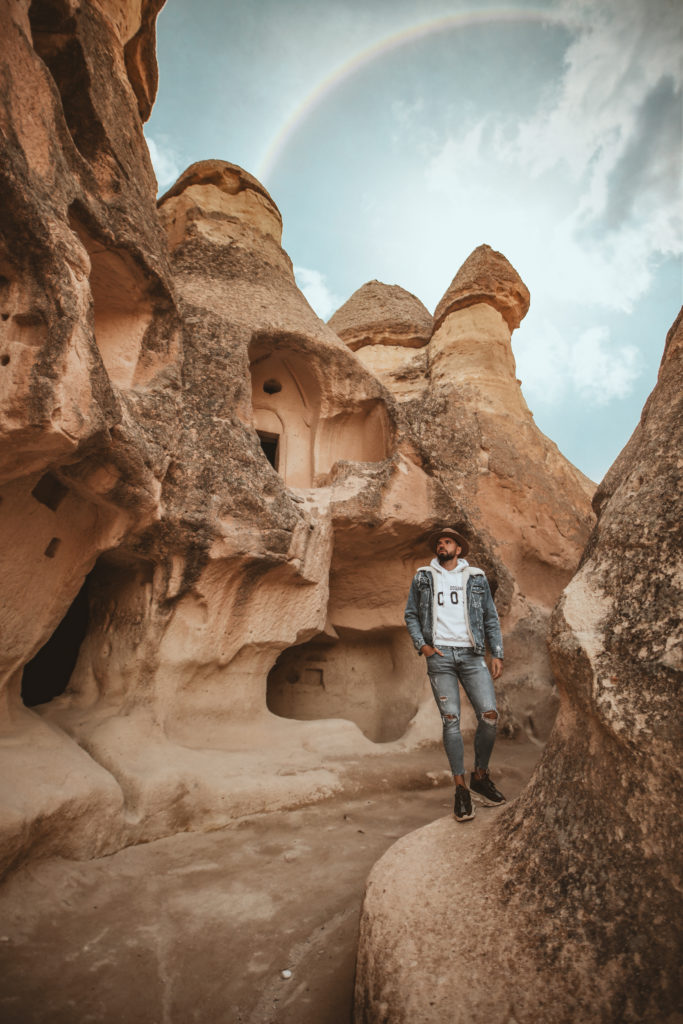
7. Paşabağ, or the Monks Valley
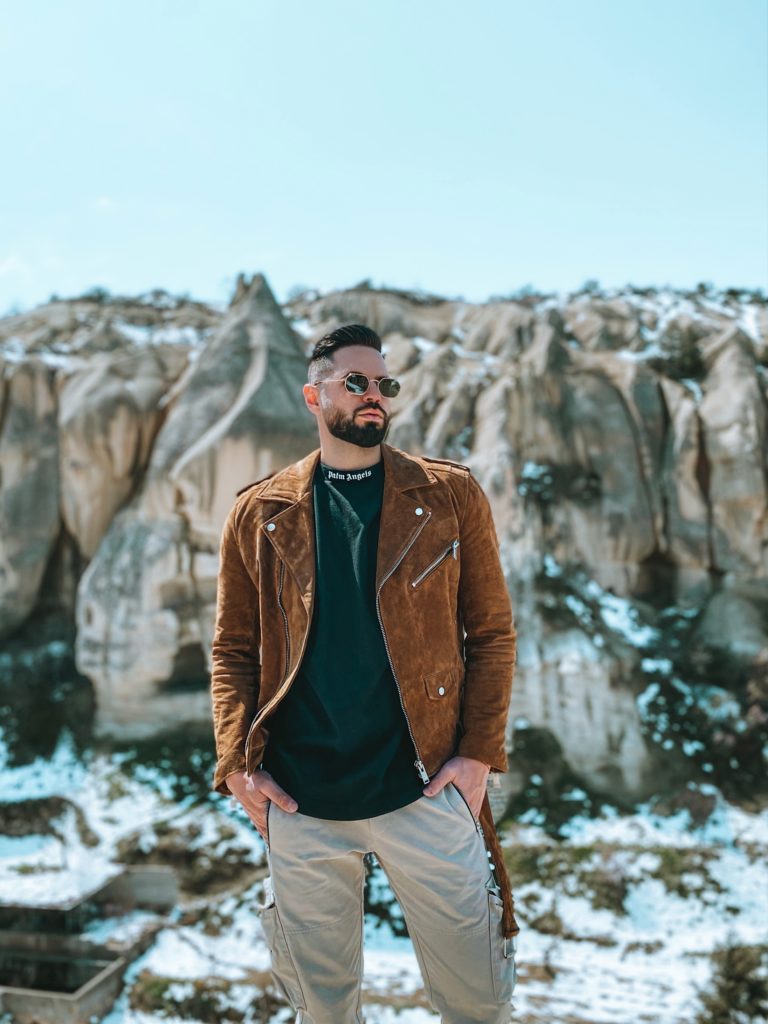
There are plenty of theories about where the name of Paşabağ valley – also known as the Monks Valley – comes from. According to some historians, Westerners called the area the Monks Valley because of the many cells carved into the rocks.
The locals, on the other hand, know the valley as Paşabağ, because large vineyards once grew here. Translated literally from Turkish, Paşabağ means “the Pasha’s vineyards”. One of the Turks’ favourite wines is still made here.
There are lots of great photo spots here. If you’re staying in Cappadocia for a few days, I’d also recommend coming one morning at sunrise to watch the balloons drift over the valley. The view is unforgettable!
8. Greet the sunrise in Love Valley

For me personally, Love Valley was the most picturesque place in Cappadocia. It’s about 3 km from Göreme, so the easiest and most convenient way to get there is by car, especially if you’re short on time. The drive takes about 10 minutes.
The towering rock formations were shaped by erosion over 60 million years. After an ancient volcano erupted, the whole area was covered in a thick layer of ash, which later hardened. Wind and water did the rest. Some of the rocks reach up to 40 m in height.
Although you can wander along the paths between the rocks in the valley, I strongly recommend climbing up to the plateau above it, where you can greet the sunrise and enjoy an insanely beautiful sky filled with hundreds of balloons. It’s truly romantic. It’s also a great spot for photos, and whatever time of day you go, you’ll always see a couple in their wedding outfits, there to capture a honeymoon moment against the stunning backdrop of Cappadocia.
9. Through the tunnels of the underground city of Derinkuyu
Perhaps the most astonishing sight in Cappadocia is the underground city of Derinkuyu, built between the 8th and 7th centuries BC and reaching a depth of 60 metres below ground in places. Can you imagine that it was home to almost 20,000 people, who built it so that they’d want for nothing from the outside world? Besides their homes, the underground city had a school, a temple, and storerooms for food and weapons, while the lowest level had a water system. Interestingly, the city was linked to other underground cities in the area by tunnels several kilometres long. In Byzantine times it served as a hiding place for the locals during Arab raids. Under the Ottoman Empire, the local Greek population used it to hide from the persecution of Christians, right up to the early 20th century. Archaeological excavations began in 1963, and shortly afterwards it was opened to visitors.
Derinkuyu is a truly impressive place, considering how many centuries ago it was built and that it still stands untouched to this day. There are theories and legends that the locals who built it used it as a portal to other worlds.

Author
Vilislav Alkantara