

Strange but true: I’ve travelled around and seen some of the most beautiful and fascinating places in the world, yet I’ve never had the chance to get to know my own country’s cultural riches nearly as well. Of course, I have plenty of favourite places in Bulgaria that I always recommend to my foreign friends when they’re planning a trip to my homeland, but there are just as many places I know exist and have simply put off for some unspecified moment in the distant future. Well, it’s now been a month since I came back to Bulgaria, and I’ve decided to put this right. Besides, the borders with almost every country are closed at the moment, so I don’t have much choice anyway.
My girlfriend Desi and I spent several days mulling over which destination to pick – somewhere close to Sofia, but also something interesting we hadn’t seen before. Not an easy choice. It turned out we’d already visited most of the interesting places around the capital. In the end we settled on the Belogradchik Rocks. Neither of us had ever been to that corner of Bulgaria, and we thought it would be interesting – as indeed it turned out to be. In truth, the Belogradchik Rocks are one of the most beautiful and popular destinations in the country, but their distance from the big cities makes them less appealing and often overlooked, especially for a day trip. Well, I can tell you we managed to explore the area and the fortress and still get home in good time, so it’s perfectly doable.
The Belogradchik Rocks
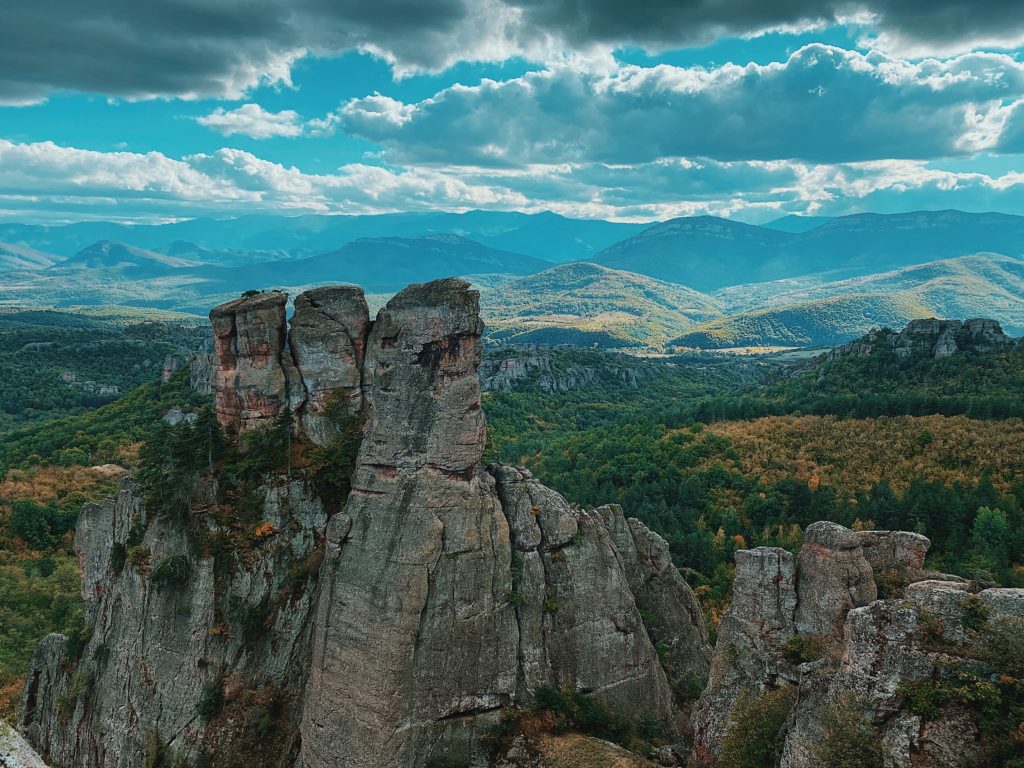
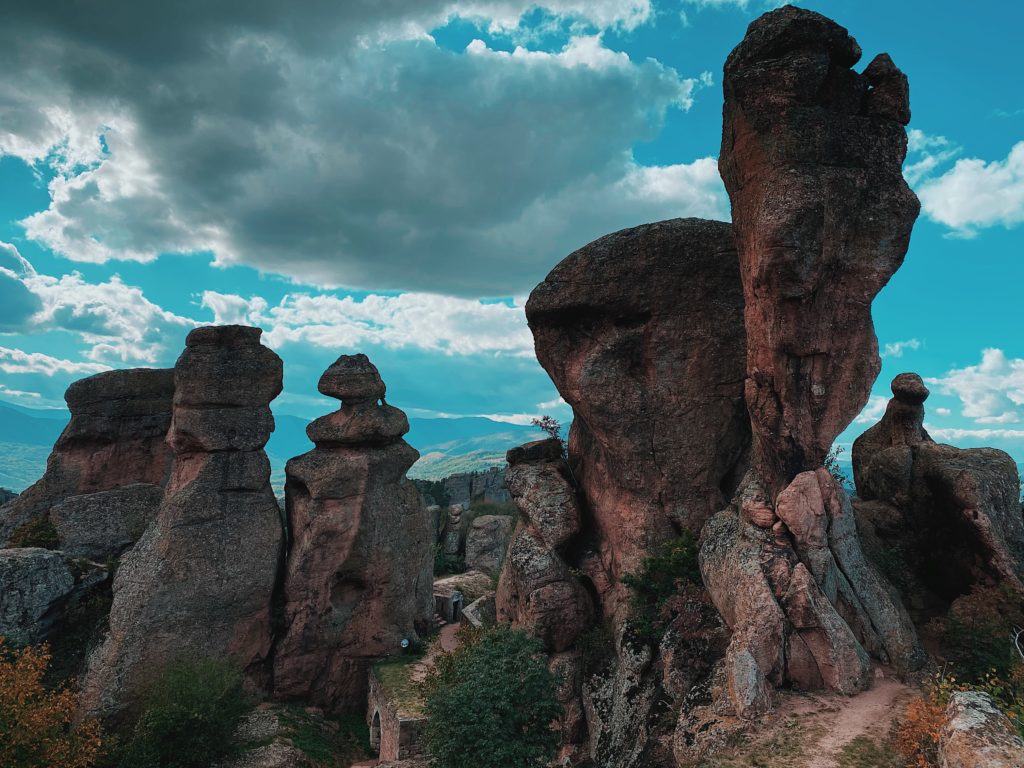
They say nature is the greatest artist. You’ll find proof of that in north-west Bulgaria, where one of its most incredible creations lies hidden – the Belogradchik Rocks. These astonishing rock formations cover a vast area and have fired people’s imaginations for centuries, earning the most fanciful names.
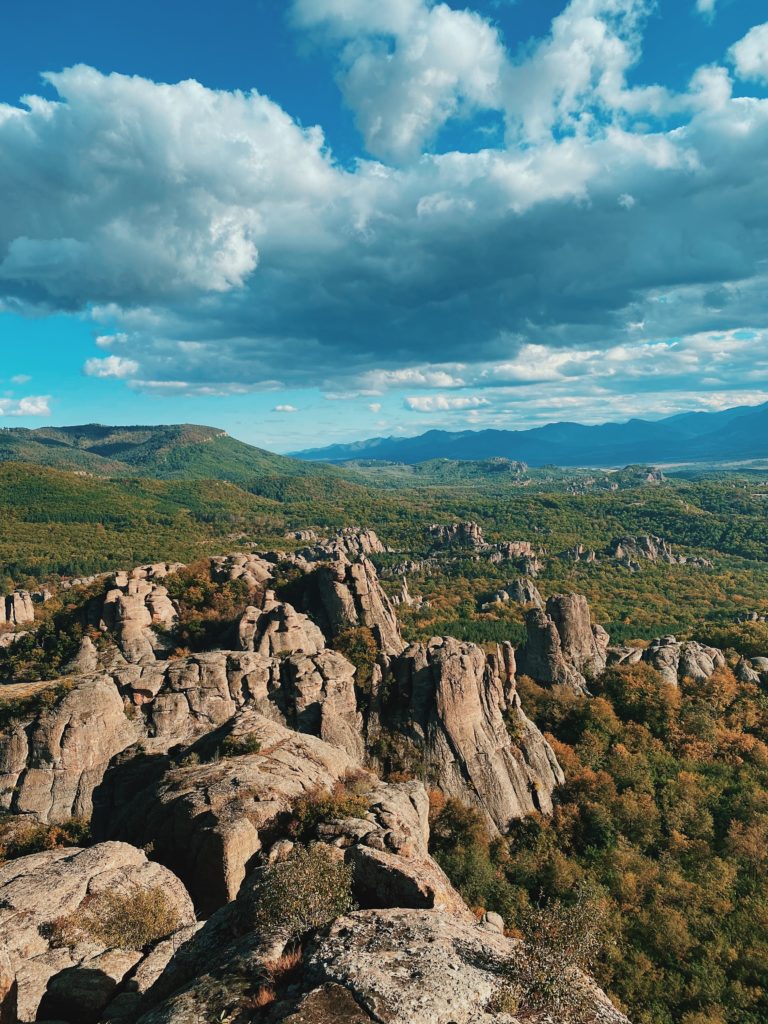
230 million years ago the Belogradchik Rocks were the bottom of a sea. When the water receded, the soft limestone folded. Nature has been sculpting the rocks for more than 200 million years. Shaped by the wind, the sun and the elements, they’ve taken on bizarre forms that still stir the imagination today. Their reddish hue comes from the iron oxide they contain.
Most people think the Belogradchik Rocks are just the ones around Kaleto Fortress. In fact, the rock formations stretch over an area of around 100 sq km – from the village of Rabisha in the west to the village of Belotintsi in the east. Some of the rocks are up to 200 m tall.
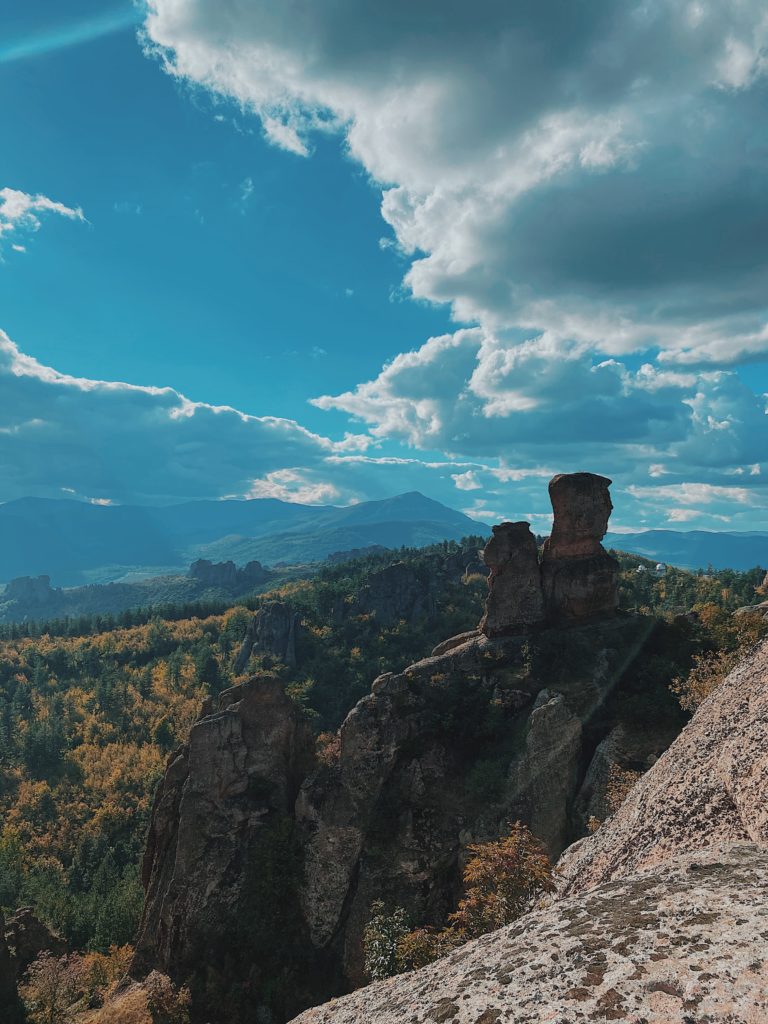
The first group of rocks lies around the town of Belogradchik. The best known are the Horseman, the Madonna, the Dervish, Adam and Eve, the Mushrooms, the Lion, the Monks, the Bear, the Castle and the Shepherd Boy.
Another group of rocks lies west of the town. The best known are Zbegove, Erkyupriya and Borich. You can reach them on a well-marked road suitable for vehicles. Alongside the huge jagged rocks, you can also see deep chasms here. This is also where you’ll find the most intriguing rock composition – the Twins, Little and Big Zbeg, where fortifications once stood. The rocks were used as natural defences by the Byzantines, Bulgarians and Ottomans in different eras. Around a hundred steps were carved out here in the past, and some survive to this day. In many places you can also spot the remains of buildings, walls, bits of brick and fragments of pottery.
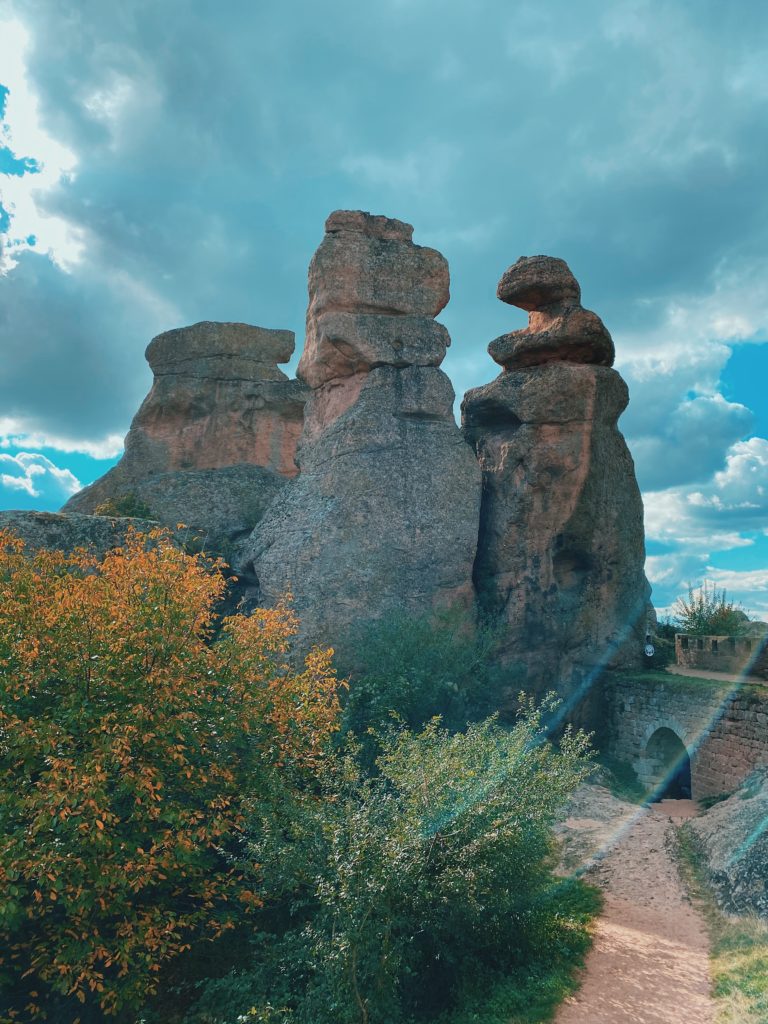
Around Zbegove and Borich are rocks in the strangest shapes, resembling giant sphinxes, monkeys’ heads, mummies, minarets and mosque domes, winged dragons and more. About 4 km east of the town is a third group, which includes the rocks around the Latin Fortress (Latinsko Kale) and Lepenitsa Cave.
The fourth group stretches between the villages of Borovitsa and Falkovets. Here you’ll find the famous Borov Kamak, Pchelin Kamak, Torlak and Momina Skala.
The last group of rocks lies around the villages of Gyurgich and Belotintsi.
Over the centuries, the bizarre shapes of the Belogradchik Rocks, which look like giant sculptures, have given rise to countless legends that have become part of local folklore. It seems this was how the locals tried to explain how all this petrified beauty came to be.
Kaleto Fortress
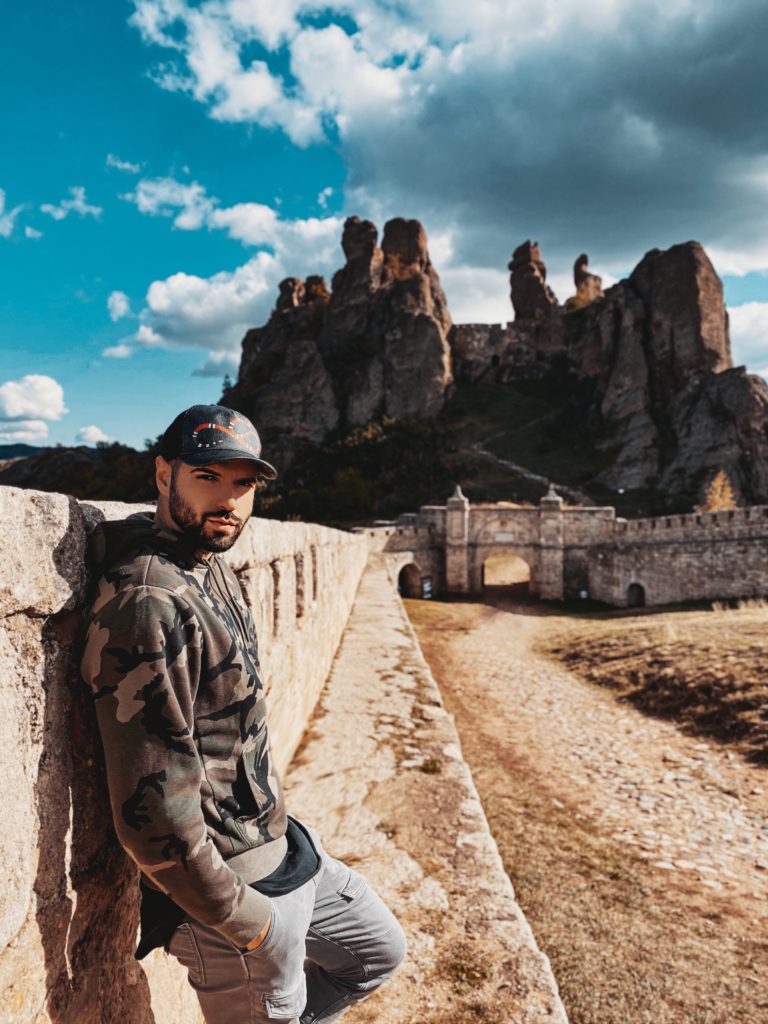
Belogradchik Fortress is one of the best-preserved in Bulgaria. It was built in the 3rd century by the Romans, who made use of the natural protection offered by the rocks. Its foundations are thought to have been laid even earlier, by the Thracians. Over the centuries Kaleto Fortress served the Byzantines, the Bulgarians and the Turks. It consists of three courtyards, each of which could be defended on its own. The fortress was in continuous use until the Serbo-Bulgarian War of 1885.
The fortress was already being used as a tourist spot back in the 14th century by Tsar Ivan Sratsimir. The ruler had a summer residence here. He loved to relax in the cool shade of the rocks and gaze at their beautiful stone silhouettes.
In 1890 the Belogradchik municipal council decided to sell off the fortress’s stones as building material, since it no longer housed a garrison. However, the local shepherds thwarted the plan by converting the fortress for farming use. Thanks to them, Kaleto survives to this day.
Today the fortress is open to visitors and is one of the “100 National Tourist Sites”. The entrance fee is 6 leva. There’s also a car park in front of the fortress with a one-off charge of 2 leva. Around Belogradchik Fortress there are a few little restaurants and plenty of places to stay if you’ve decided to spend the night. Another increasingly popular attraction is a hot-air balloon ride, which lasts about an hour and lets you see the whole area from a bird’s-eye view. It costs around 300 leva per person.

Author
Vilislav Alkantara