
Thessaloniki is a city that casts a spell with its unique energy and centuries of history. Set on the shores of the Aegean, this ancient city has watched empires rise and fall, each of them leaving its mark on its cultural landscape. As you wander its streets, you’ll find yourself among majestic Byzantine churches, Roman arches and medieval fortresses that tell stories of a past full of battles, glory and spiritual quests. But for all its historical riches, the city is also lively and modern, with seafront cafés, contemporary museums and art installations that show off its vibrant present.
In recent years Thessaloniki has become a favourite short-break destination for many Bulgarians. Its closeness to Bulgaria, combined with its rich history, tasty local food and buzzing little streets, makes it the perfect choice for a weekend escape. Here you can soak up the cosmopolitan atmosphere of Greece’s second-largest city, where ancient and modern live side by side in perfect harmony and the sea is never more than a stone’s throw away.
Whether it’s your first time in Thessaloniki or you’re coming back, this city always has something to surprise and inspire you. Below I’ll tell you about the top 15 most interesting sights you shouldn’t miss on your trip to this vibrant and captivating city.
A brief history of the city
Thessaloniki is Greece’s second-largest city and the capital of the geographical region of Macedonia. Founded in the 4th century BC by the Macedonian King Cassander, the city was named after his wife Thessalonike – the sister of Alexander the Great. Thessaloniki has deep historical ties with Bulgaria and is thought to be the birthplace of the holy brothers Cyril and Methodius. The city has always been a tempting prize for us Bulgarians – Tsar Kaloyan died beneath its walls while trying to capture it.
Over the centuries Thessaloniki established itself as an important cultural and commercial centre of the Byzantine Empire. Under Ottoman rule, 15,000 Spanish Jews expelled from the Iberian Peninsula settled in the city and had a huge influence on its economic and cultural development, earning it the nickname ‘the Jerusalem of the Balkans’. Until the early 20th century it was a cosmopolitan hub where Jews, Turks, Bulgarians, Greeks, even Italians lived side by side, each community in its own quarter. The picturesque Ano Poli neighbourhood dates from that time and still preserves Thessaloniki’s rich diversity.
When to visit Thessaloniki
The best time to visit Thessaloniki is in spring (April–May) and autumn (September–October), when the weather is pleasantly warm and the crowds are smaller than in high summer. The summer months suit beach lovers, as the city is close to some of Greece’s most beautiful beaches. Read my blog post on the best places for a holiday in Halkidiki. Winter in Thessaloniki is mild but damp, so it isn’t always the best time to visit this seaside city.
How to get to Thessaloniki
Thessaloniki’s proximity to the Bulgarian border makes it one of Bulgarians’ favourite destinations in neighbouring Greece. There are several convenient ways to get there:
- By car: It’s about 300 km from Sofia to Thessaloniki, a drive of around 4–5 hours via the Kulata–Promachonas border crossing. The road is good, and the motorway after the border (Egnatia Odos) makes for a smooth run into Thessaloniki. There are plenty of paid car parks in the city, as finding a free parking space can be a challenge.
- By coach: Coach travel from Bulgaria to Thessaloniki is popular and convenient. There are regular services from Sofia and other big cities such as Plovdiv with direct connections to Thessaloniki. The coach from Sofia takes around 5–6 hours, and a return ticket costs about 20–30 euros.
What to see in Thessaloniki
The White Tower
The White Tower is the symbol of Thessaloniki and the city’s most famous landmark. Built in the 15th century, the 34-metre tower once served as a prison. The Turks tortured prisoners there, Bulgarian revolutionaries among them, which is why it was also known as the Bloody Tower. Today it’s a museum, and you can go inside to see various artefacts and photos linked to its history. You can also climb to the top, where a wonderful panoramic view opens up over Thessaloniki and the Aegean.
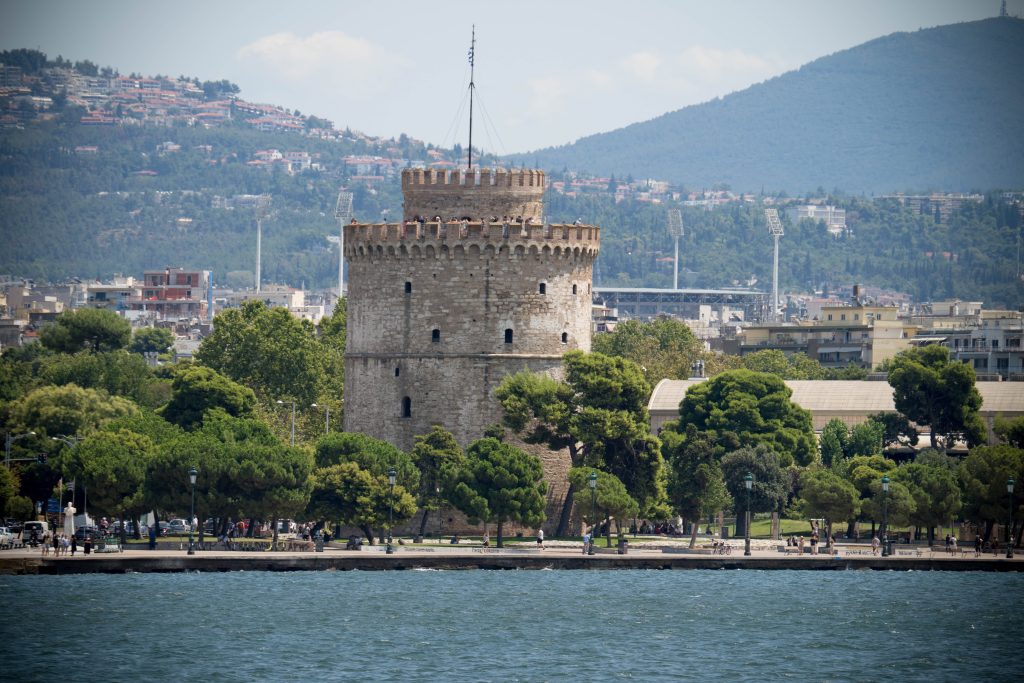
- Entrance fee: 6 euros for adults, 3 euros for students and pensioners, free for under-18s. You can buy your tickets in advance HERE.
- Opening hours: Summer: daily from 8:00 to 20:00. Winter: daily from 8:00 to 17:00.
- Top tip: Visit the tower in the early evening to enjoy the sunset and the view over the city’s seafront. You can also learn a lot about the city’s history from the interactive exhibitions inside.
Aristotelous Square
Aristotelous Square is the biggest and best-known square in Thessaloniki, right in the heart of the city. It’s surrounded by imposing neoclassical buildings, and its centre often hosts cultural events, concerts and festivities. There’s an incredible view of the sea from here, and the surrounding cafés and restaurants are a popular place to relax.
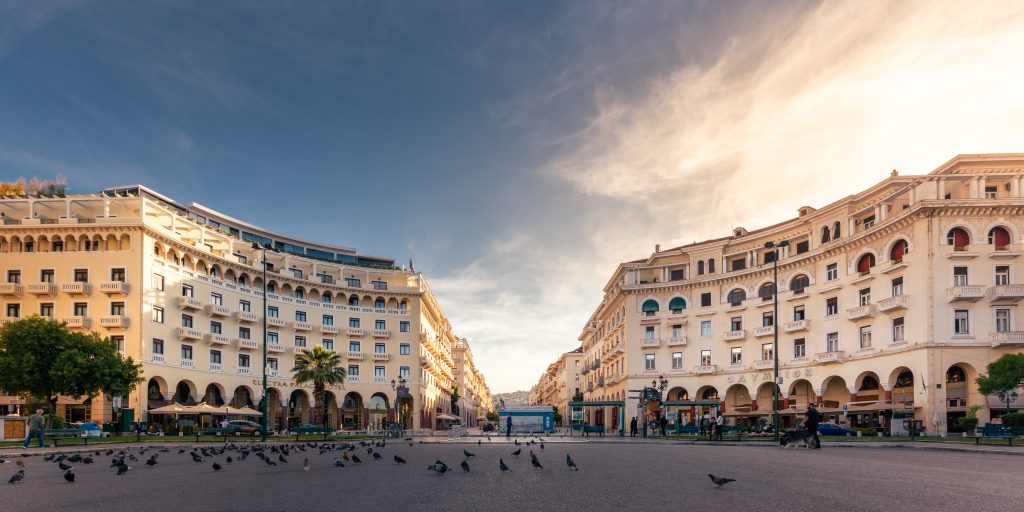
- Top tip: The square is buzzing all day long, but it’s especially beautiful in the evening, when it’s lit up and full of life. Take a stroll along the seafront promenade that starts from the square to enjoy the lovely sea views.
The Arch of Galerius
The Arch of Galerius is one of the most remarkable Roman structures in Thessaloniki. It was built in the early 4th century to celebrate Emperor Galerius’s victory over the Persians. The arch was part of a larger complex that included a palace and a mausoleum (today’s Rotunda). Anyone admiring the arch will notice its exceptional reliefs, which depict battles and scenes from Galerius’s life.
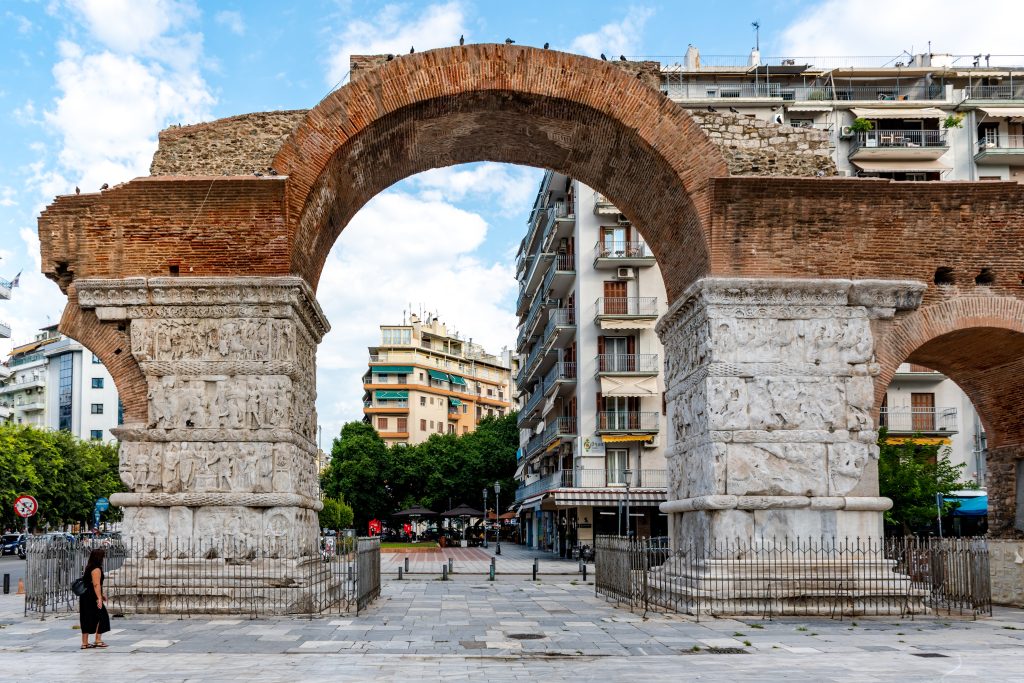
- Top tip: Take a close look at the reliefs to appreciate the details depicting key moments in Roman history. The arch stands in a lively neighbourhood full of cafés, making it a great spot for a short break.
The Rotunda
Originally built in 306 as a mausoleum for Emperor Galerius, the Rotunda is one of the oldest and most impressive buildings in Thessaloniki. After the Byzantine period it was turned into a Christian church, and in Ottoman times into a mosque. Today it’s a UNESCO World Heritage Site and works as a museum. Its striking dome and the magnificent mosaics adorning its interior are its greatest treasures.
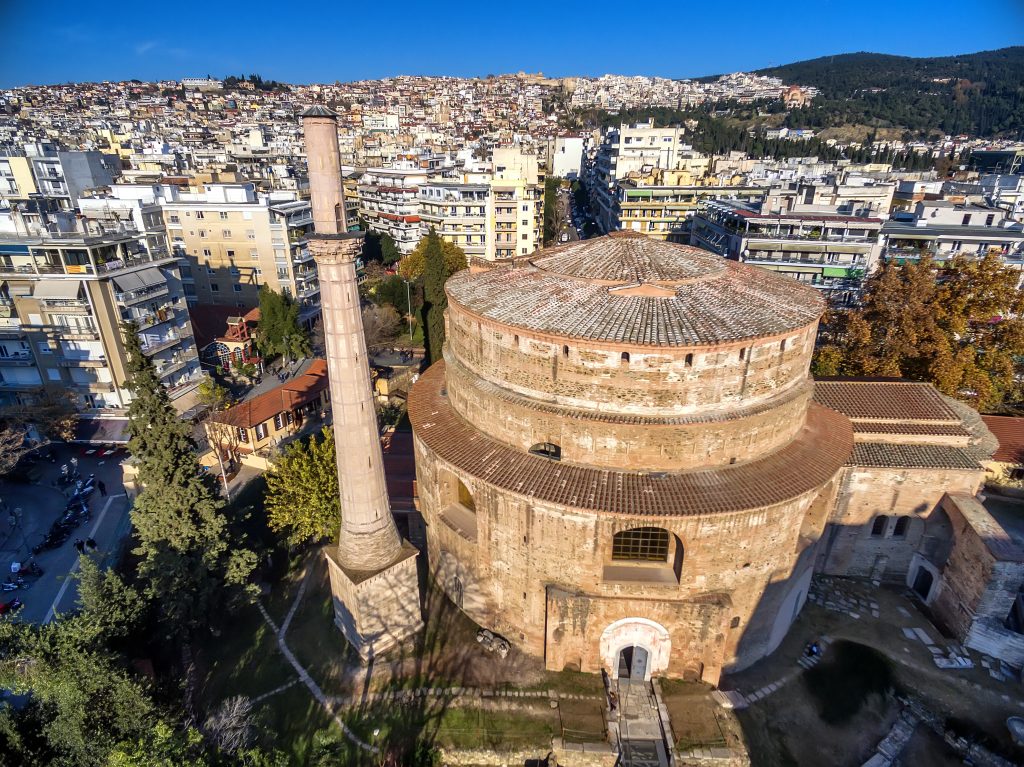
- Entrance fee: 6 euros for adults, 3 euros for students and pensioners, free for under-18s.
- Opening hours: Daily from 8:00 to 20:00.
- Top tip: Don’t miss the well-preserved mosaics on the Rotunda’s inner walls, some of the finest examples of Byzantine art in Greece. For the best photos, visit in the morning, when the light streams in through the windows of the dome.
The Agora of Thessaloniki
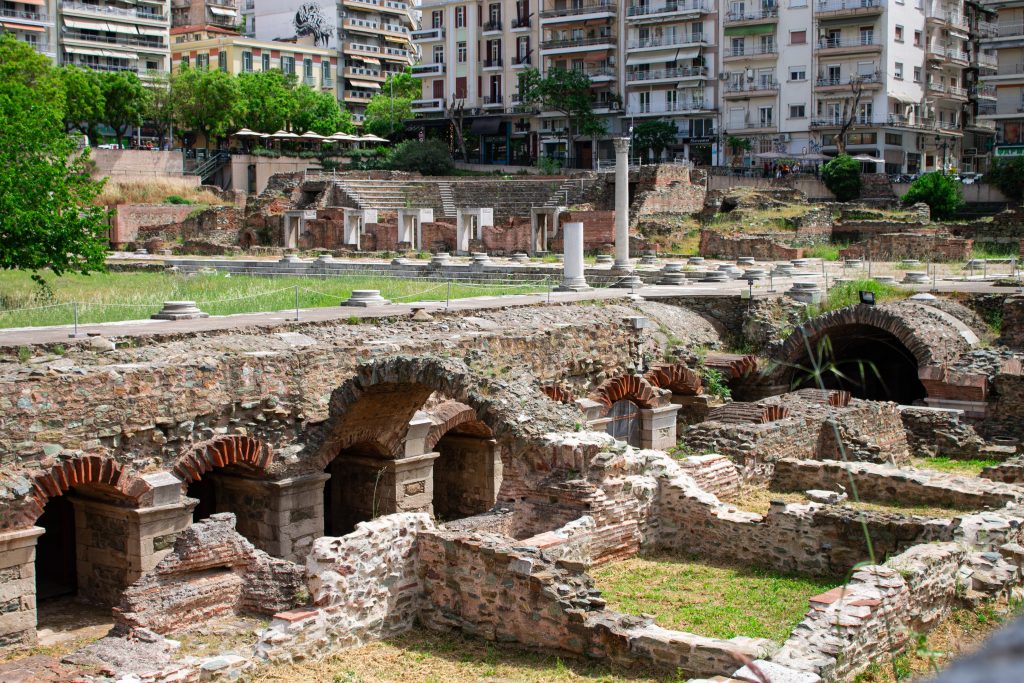
The ancient Agora was Thessaloniki’s Roman forum and the city’s administrative, commercial and social centre in Roman times. The ruins include the remains of the Roman theatre, paved streets, shops and public baths. In the underground part of the complex you’ll find a museum telling the story of ancient Thessaloniki and how Roman culture developed in the city.
- Entrance fee: 4 euros for adults, 2 euros for students and pensioners.
- Opening hours: Daily from 8:00 to 15:00.
- Top tip: The Agora is a superb example of ancient Roman architecture and a lovely place for a wander, where you’ll learn more about Thessaloniki’s ancient history.
The Archaeological Museum
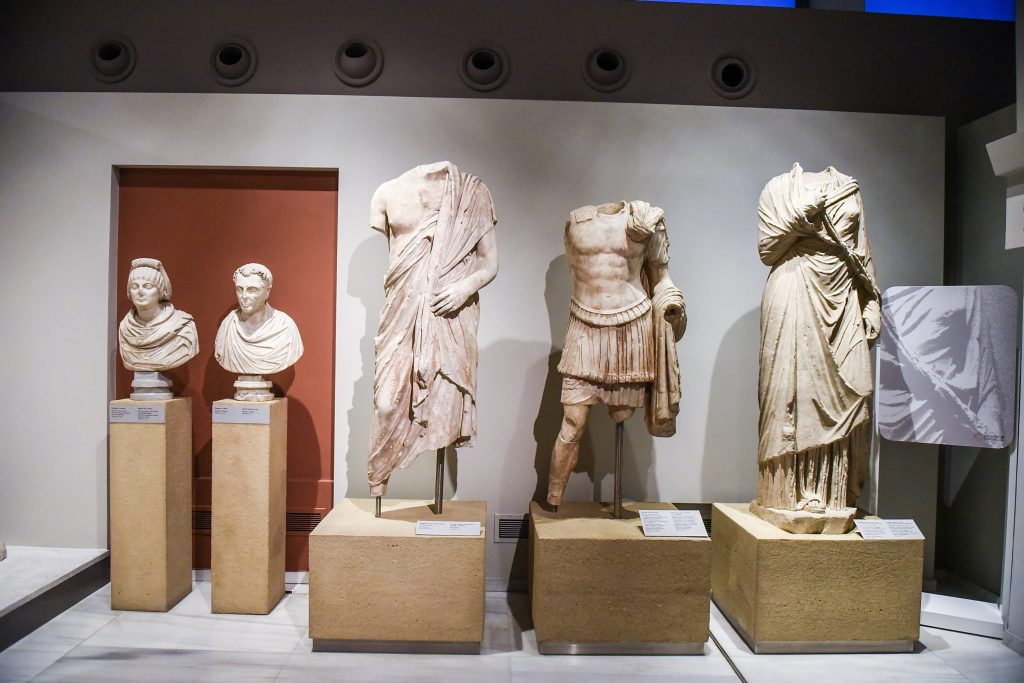
Thessaloniki’s Archaeological Museum holds a rich collection of artefacts spanning prehistory to the Roman era. Here you’ll see outstanding examples of ancient Greek art, including marble sculptures, vases, coins and jewellery. Particularly impressive is the collection of tombs from the Macedonian period, which reveal the burial customs of the ancient Macedonians.
- Entrance fee: 8 euros for adults, 4 euros for students and pensioners. Combined ticket with the Byzantine Museum: 15 euros.
- Opening hours: Daily from 8:00 to 20:00.
- Top tip: The museum is a real treat for lovers of ancient history and archaeology. Take your time in the rooms with the Macedonian tombs – they’re unique and you won’t often find anything like them in other museums.
The Church of St Demetrius
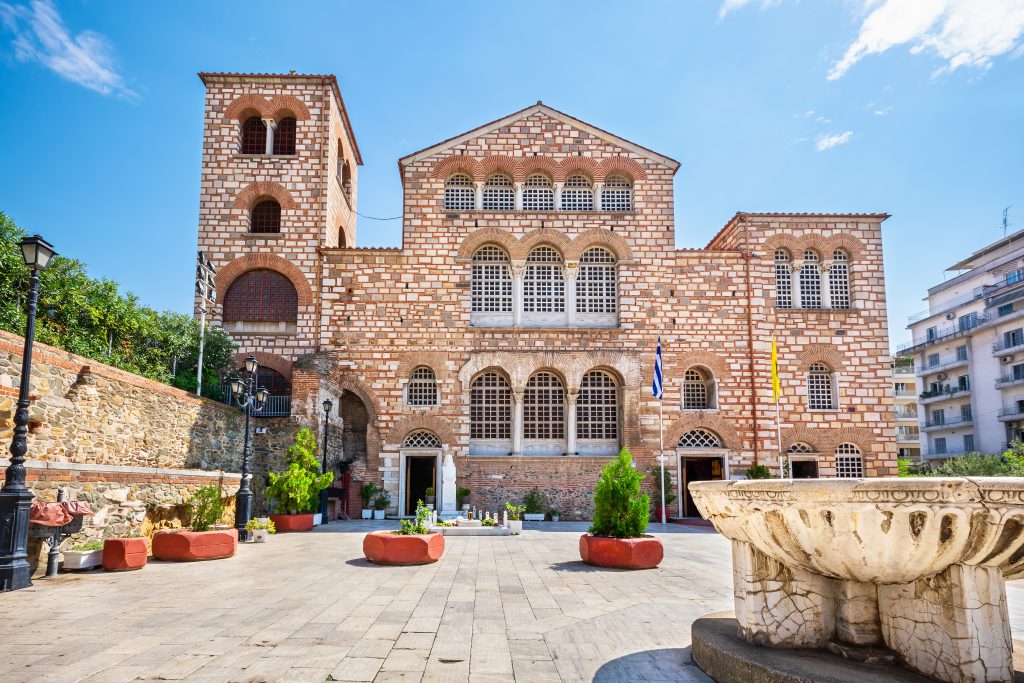
The Church of St Demetrius is the largest Byzantine church in Thessaloniki and is dedicated to the city’s patron saint, St Demetrius. Built in the 4th century, it impresses not only with its sheer size but also with its frescoes and mosaics. Beneath the church lie the catacombs where, according to legend, St Demetrius was imprisoned and executed. The church is a UNESCO World Heritage Site.
- Entrance fee: The church is free to enter. Entry to the catacombs costs 2 euros.
- Opening hours: Daily from 8:00 to 20:00.
- Top tip: The church is often busy with visitors, so it’s best to go early in the morning or late in the afternoon. The catacombs beneath it are particularly interesting and offer a unique glimpse into the city’s early Christian history.
The Old Town (Ano Poli)
Ano Poli (the Upper Town) is Thessaloniki’s oldest and most picturesque neighbourhood, which has kept its traditional character over the centuries. Perched on a hill above the city centre, Ano Poli treats visitors to cobbled lanes, traditional houses with colourful façades and wonderful views over Thessaloniki and the Aegean. Here you’ll find lots of little tavernas and cafés, as well as important historic sights such as Byzantine churches and Turkish baths.
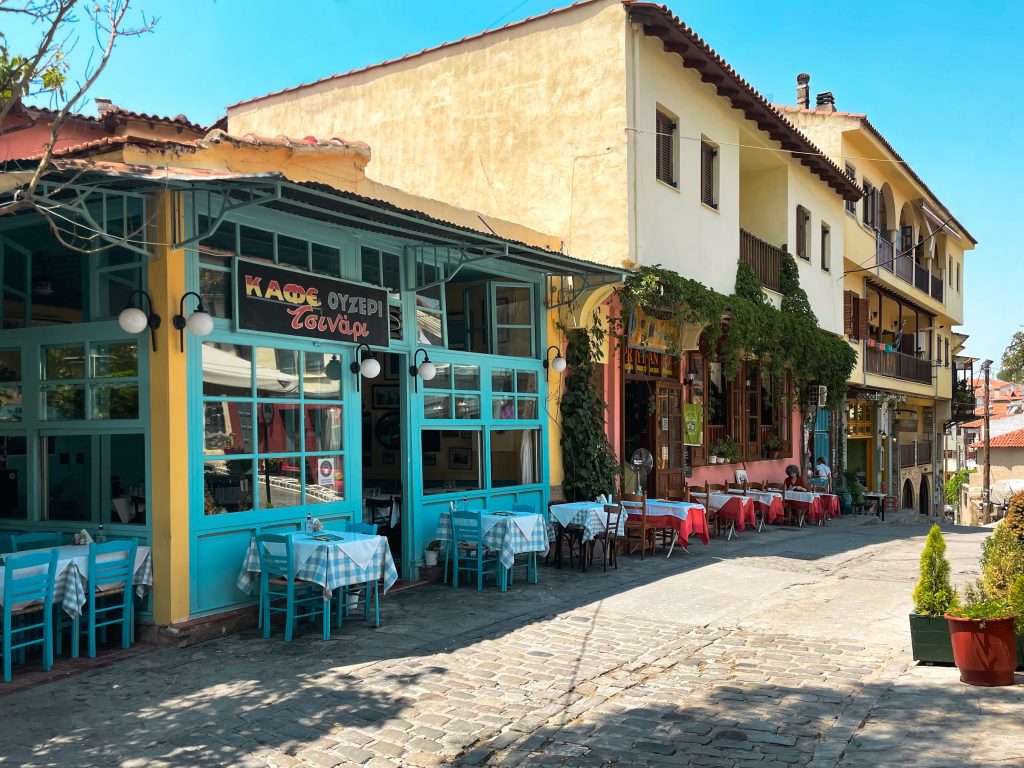
- Top tip: Stroll through the narrow lanes of Ano Poli early in the morning or late in the afternoon to avoid the crowds and enjoy the peace and quiet of the neighbourhood. From here you get wonderful panoramic views of the city and the bay.
The Yedi Kule Fortress (Heptapyrgion)
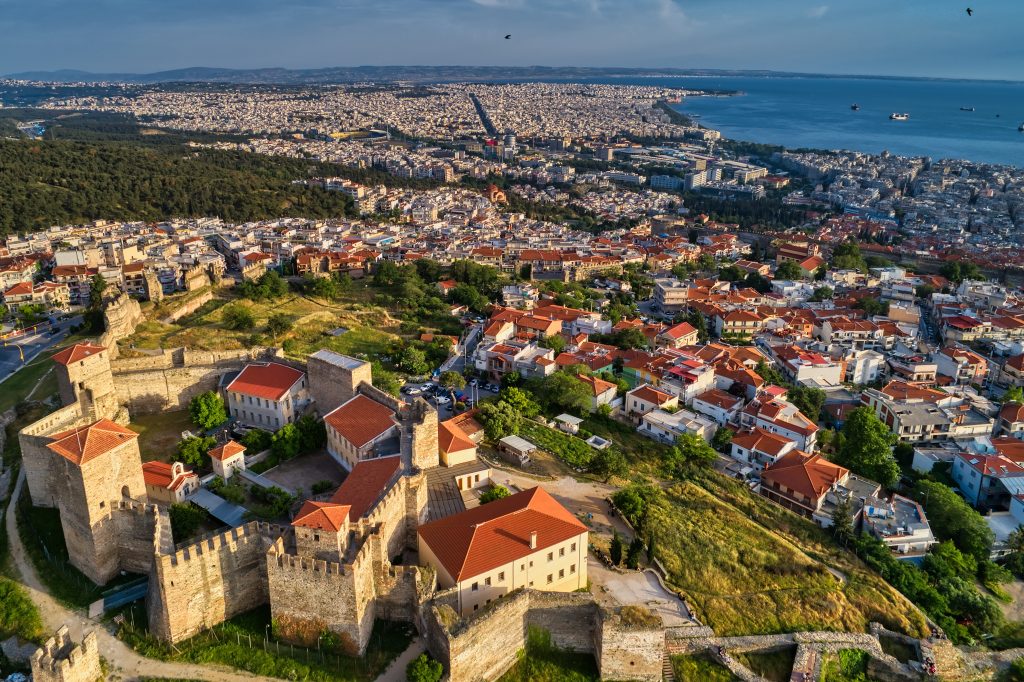
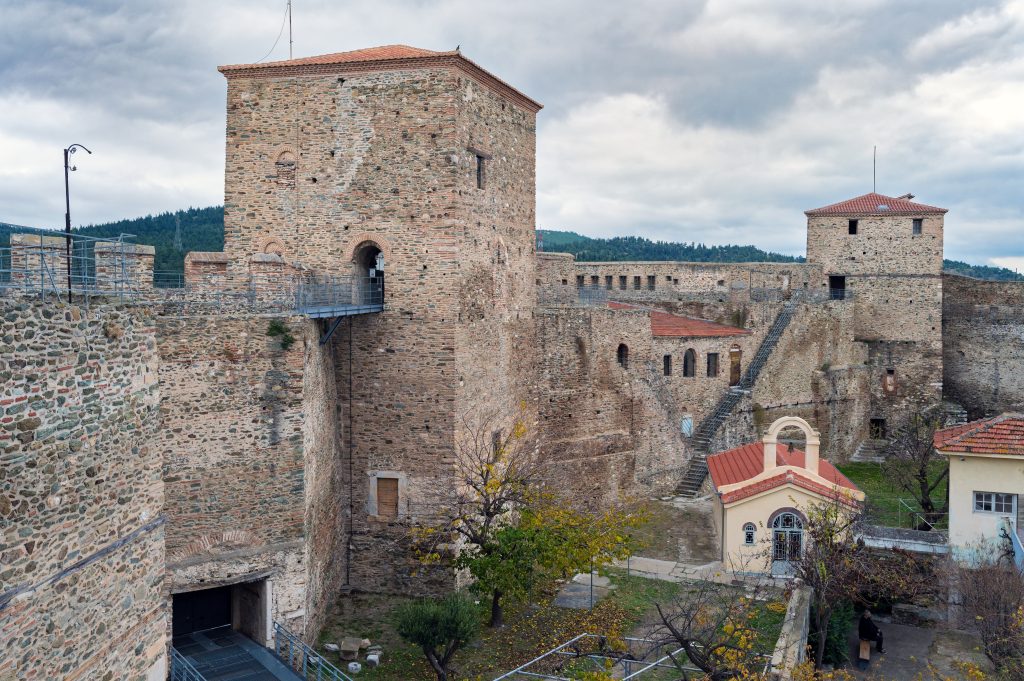
The Heptapyrgion fortress, also known by its Turkish name Yedi Kule, stands in the highest part of the city, right next to Ano Poli. Built in the Byzantine era, it defended the city for centuries and was altered and strengthened many times under Ottoman rule. Today it’s a popular attraction with great views over Thessaloniki and its surroundings.
- Entrance fee: Free.
- Opening hours: The fortress is accessible at any time.
- Top tip: Visit the fortress in the early evening for one of the best panoramic views of the city. Explore the remains of the old walls and fortifications and take in the incredible history this place has to tell.
The city walls of Thessaloniki
Thessaloniki’s city walls were a key part of the city’s defences and date back to Roman times, though they were strengthened and extended over the centuries by the Byzantines and the Ottomans. They enclose much of the old town and the Ano Poli area, and their main purpose was to protect the city from attackers by land and sea. Today they offer not only historical interest but also lovely views over Thessaloniki and the bay.
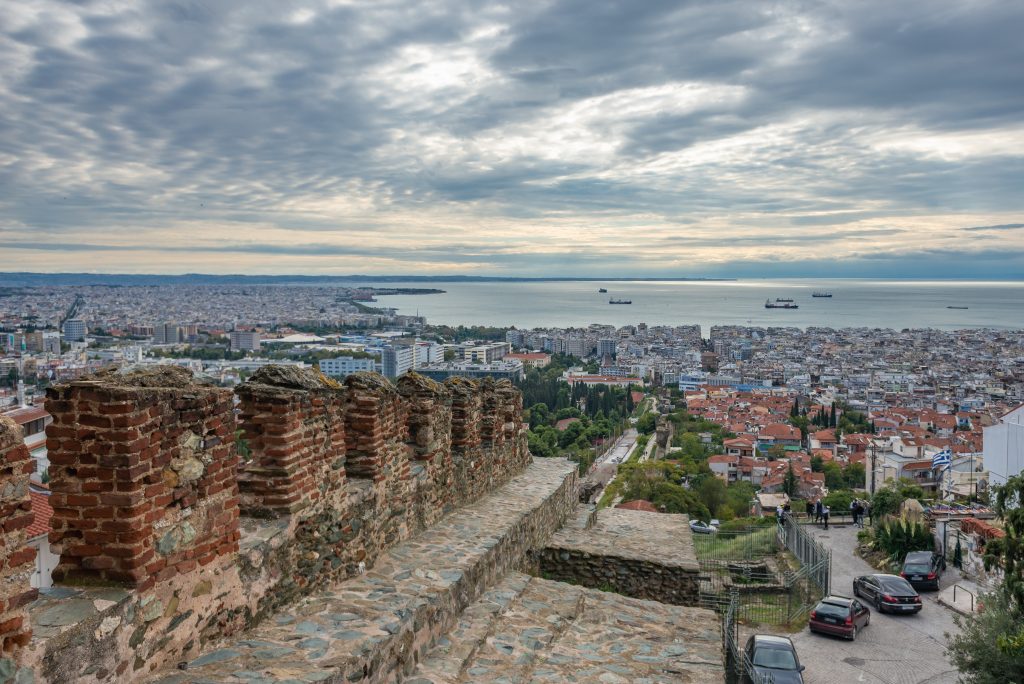
- Main sections of the walls: The best-preserved stretches of the walls are in the Ano Poli area and around the Heptapyrgion fortress. Here you can see the massive defensive towers and walls that protected Thessaloniki over the centuries. The fortress is also an impressive place for a walk and some photos.
- Entrance fee: Free.
- Opening hours: The walls and the area around them are open to visitors all day.
- Top tip: The best time to visit the walls is early in the morning or in the early evening, when the views of the city and the bay are at their most beautiful. Walk the paths around the walls and enjoy a panorama that takes in both the old quarters and modern Thessaloniki.
The Church of Hagia Sophia
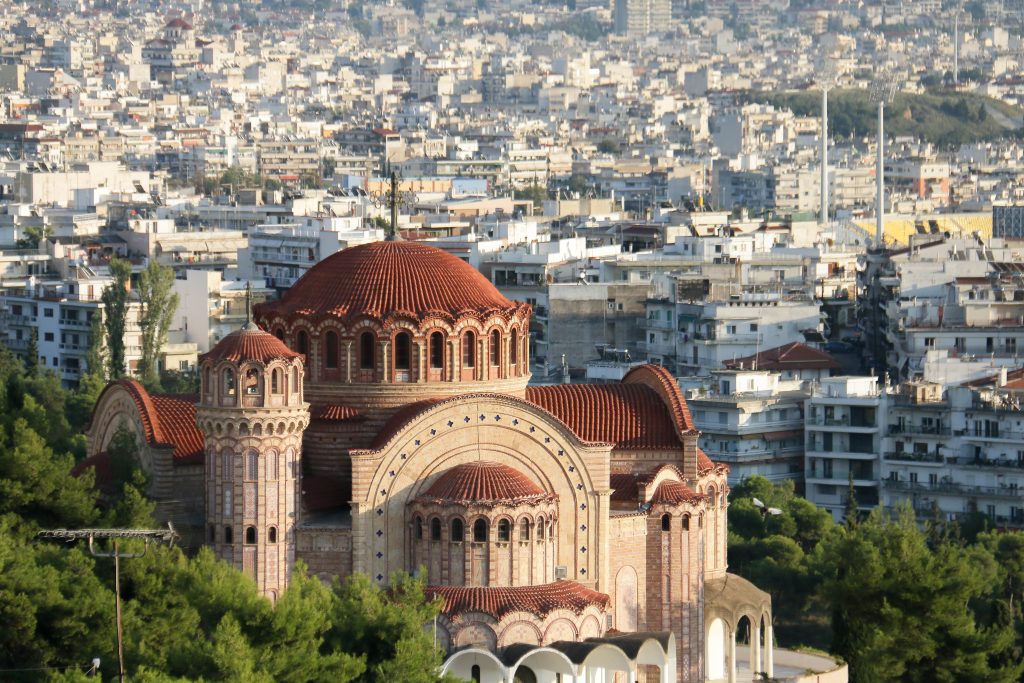
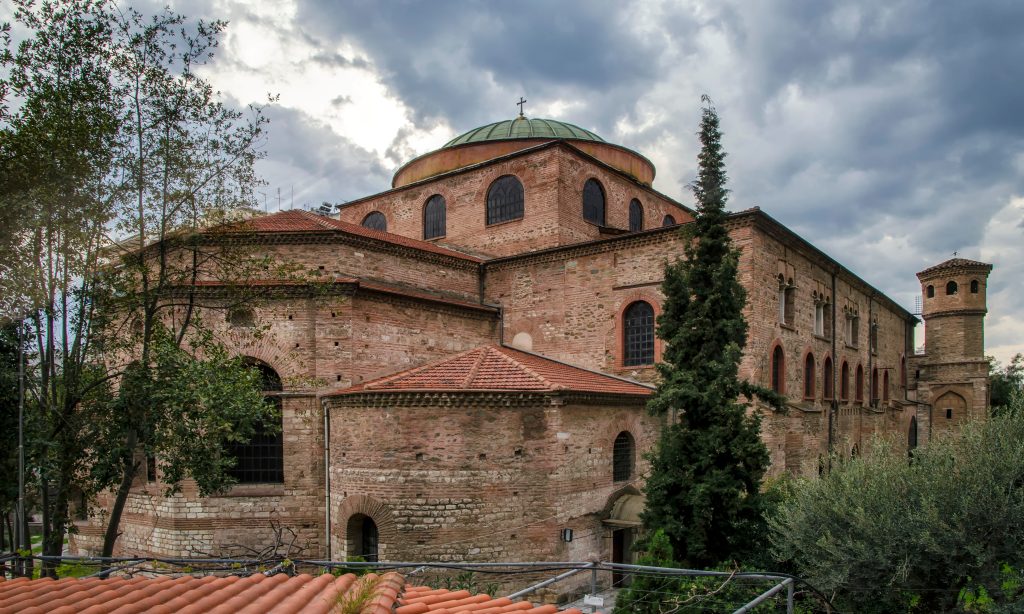
The Church of Hagia Sophia is one of the oldest and most important Byzantine churches in Thessaloniki. Built in the 8th century, it was inspired by the great Hagia Sophia in Constantinople and is one of the finest examples of Byzantine architecture in the city. Hagia Sophia has served both as a Christian cathedral and, under Ottoman rule, as a mosque. Today it’s a working Orthodox church and a UNESCO World Heritage Site.
- Entrance fee: Free.
- Opening hours: Daily from 8:00 to 20:00.
- Top tip: Take a good look at the mosaics and frescoes inside – they’re among the finest examples of Byzantine art in Thessaloniki. It’s a working church, so respect religious customs and avoid visiting during services unless you’re taking part.
The Museum of Byzantine Culture
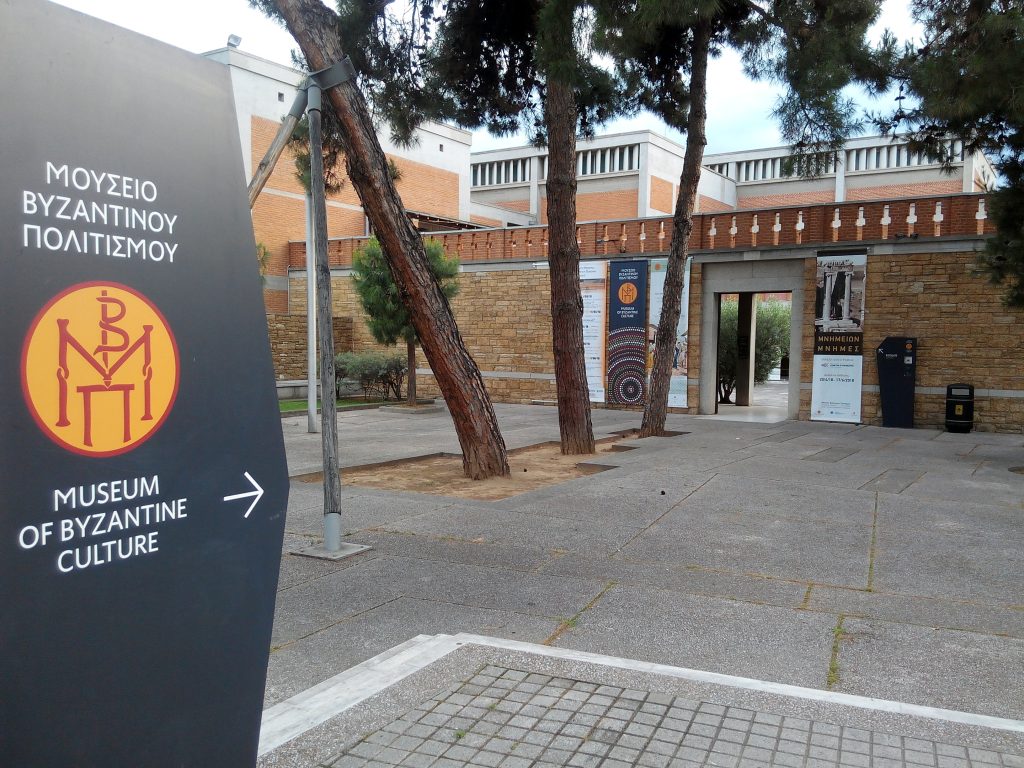
Thessaloniki’s Museum of Byzantine Culture is one of the city’s most important cultural sights and is devoted to the region’s Byzantine heritage. Founded in 1994, it holds an exceptional collection of icons, mosaics, frescoes, ceramics and textiles from the Byzantine period (4th to 15th century). It’s a place where you’ll discover unique works of art that tell of Thessaloniki’s cultural and religious importance during that era.
- Entrance fee: 8 euros for adults, 4 euros for students and pensioners.
- Opening hours: Daily from 8:00 to 20:00.
- Top tip: The museum offers audio guides in several languages – a great way to learn more about the exhibits. Allow at least 1–2 hours to look around.
The statue of Alexander the Great
The statue of Alexander the Great is one of Thessaloniki’s most imposing sights and stands on the seafront promenade (Nikis) near the White Tower. Erected in 1974, this bronze statue symbolises the legacy of ancient Macedonia and the greatness of Alexander the Great, one of the most famous and successful military strategists in history. It shows Alexander astride his legendary horse Bucephalus, ready for battle.
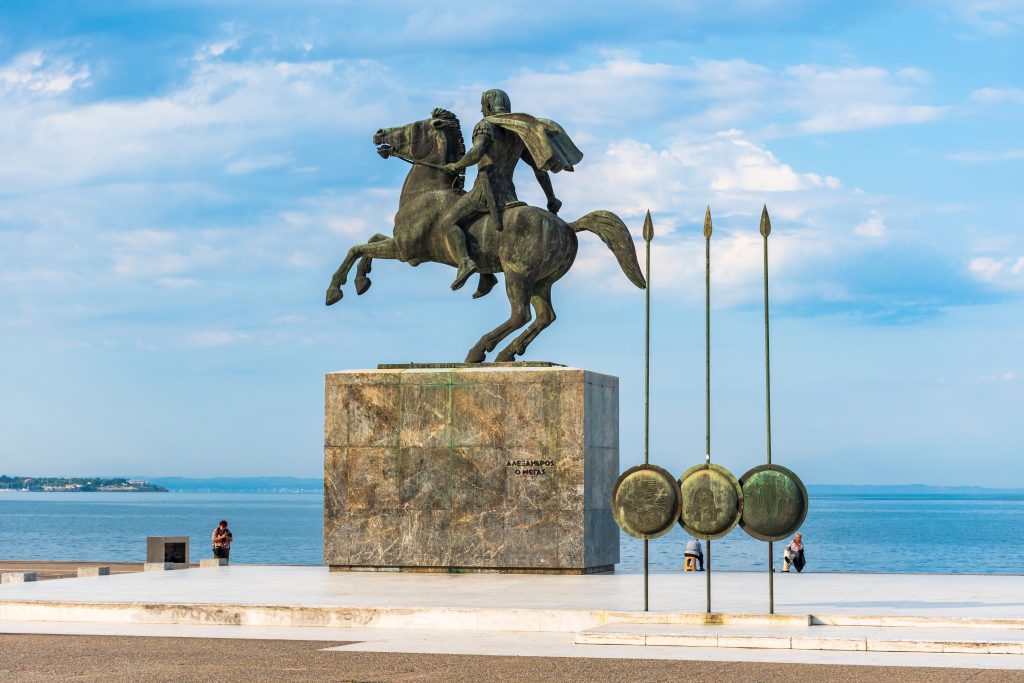
- Top tip: The statue is in a wonderfully scenic spot – Thessaloniki’s seafront promenade. The best time to visit is in the early evening, when the sunset bathes the monument in a unique light and atmosphere. The square around the statue is perfect for a short stroll, and there are plenty of cafés nearby where you can relax with a view of the Aegean.
Zongolopoulos’s Umbrellas
The Umbrellas are one of Thessaloniki’s most contemporary and popular art installations, set along the city’s seafront promenade. Designed by the renowned Greek sculptor George Zongolopoulos, this metal structure of umbrellas has become a symbol of modern Thessaloniki. Locals and visitors often come here for photos, especially at sunset, when the light makes the composition particularly beautiful.
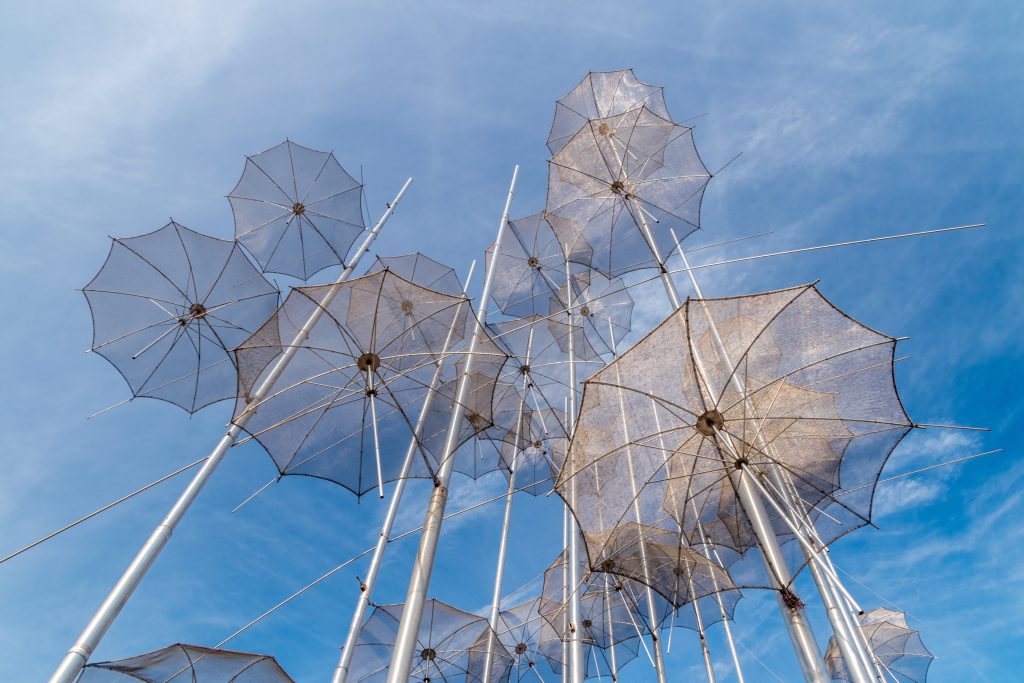
- Top tip: The best time to visit the Umbrellas is in the early evening, as the sun sets over the Aegean. It’s one of the most popular photo spots in Thessaloniki, so be prepared for crowds – but the sunset makes everything more magical.
A boat trip on the Aegean
A boat trip in Thessaloniki is one of the most relaxing and enjoyable things you can do as a visitor. You can choose from several different types of boat offering short cruises around the harbour and along the city’s waterfront. Trips usually last between 30 minutes and an hour and are a great way to unwind and enjoy the sea breeze while taking in the city from the water.
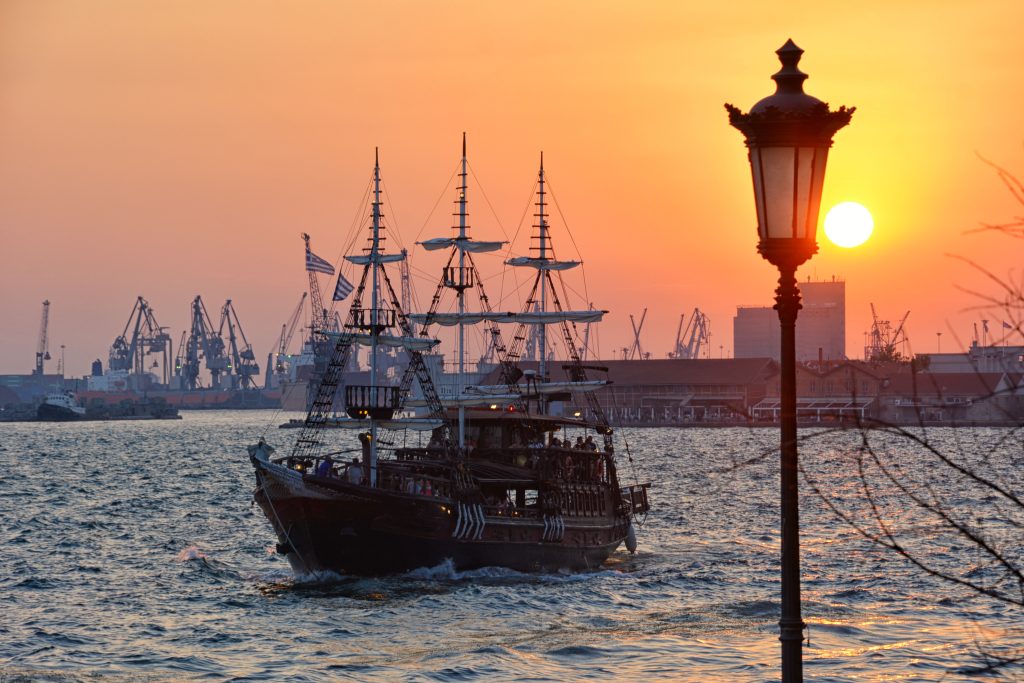
- Starting point: Most boats leave from Thessaloniki’s harbour, right next to the White Tower. There you’ll find a variety of traditional wooden boats and larger cruise vessels.
- Price: Prices range from 5 to 10 euros per person, depending on the type of boat and the length of the trip.
- Top tip: The best time for a boat trip is in the early evening, when the sun sets and casts a magical glow over the Aegean. Some boats also serve drinks or play music on board, which makes the experience even more memorable.

Author
Vilislav Alkantara